
Russia boosts security after Khamenei’s reported death amid US-Israel tensions
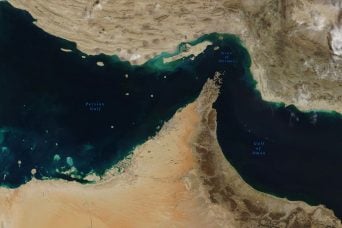
Russia has increased security measures following reports of Iran's Supreme Leader Khamenei's death, amid escalating US-Israel tensions. The heightened geopolitical instability could reshape regional alliances and impact global markets, including cryptocurrency volatility tied to sanctions and energy prices.
The reported death of Iran's Supreme Leader Ayatollah Khamenei represents a significant geopolitical inflection point that extends beyond traditional Middle East politics into global economic systems. Russia's security boost signals concern about cascading instability across allied nations and potential shifts in regional power dynamics. Iran and Russia maintain strategic partnerships, particularly regarding energy exports and sanctions evasion—domains where cryptocurrency increasingly facilitates cross-border transactions outside Western financial infrastructure.
This event compounds existing US-Israel tensions, creating a three-way instability dynamic affecting oil markets, sanctions frameworks, and capital flows. Historically, geopolitical crises in the Middle East trigger flight-to-safety dynamics in traditional markets while simultaneously increasing demand for decentralized financial tools. Cryptocurrency markets have demonstrated sensitivity to such events, as investors seek alternatives to potentially sanctioned currencies and financial systems during periods of heightened international conflict.
For crypto markets, the implications are multifaceted. Sanctions-related volatility could drive demand for privacy coins and decentralized exchanges, while energy-intensive mining operations face uncertainty from shifting oil prices. Bitcoin often benefits from geopolitical instability as a hedge asset, though short-term correlation with risk-off market behavior may dominate initially. The broader implication involves potential regulatory responses from Western governments, which may accelerate sanctions targeting crypto transactions linked to sanctioned entities or jurisdictions.
- →Russia's heightened security reflects concern about instability spreading from Iran's leadership uncertainty to allied nations
- →Geopolitical crises typically increase cryptocurrency adoption as investors seek alternatives to traditional financial systems
- →Escalating US-Israel tensions combined with Iran uncertainty could trigger new sanctions affecting crypto-related financial flows
- →Energy market volatility from Middle East instability may indirectly impact mining profitability and operational costs
- →Decentralized finance platforms may see increased usage as traditional banking channels face heightened scrutiny during geopolitical tensions