
Russian officials warn Putin that war spending risks triggering a budget crisis
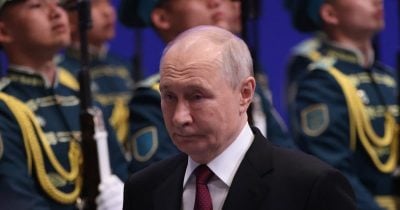
Russian officials are warning President Putin that escalating military expenditures could trigger a severe budget crisis, with potential ripple effects on global cryptocurrency markets through increased regulatory measures. The fiscal strain from prolonged war spending may force Russia to seek alternative financial mechanisms, potentially including cryptocurrency channels, thereby intensifying international regulatory scrutiny of digital assets.
Russia's mounting defense expenditures present a macroeconomic challenge that extends beyond traditional geopolitical concerns into the cryptocurrency ecosystem. As military spending strains Russia's federal budget, policymakers face difficult choices between sustained war financing and economic stability. This fiscal pressure creates incentives for governments and institutions to explore alternative payment systems and asset transfers that circumvent traditional banking channels, potentially increasing cryptocurrency adoption among sanctioned entities.
Historically, countries facing economic sanctions have turned to cryptocurrency to facilitate cross-border transactions and preserve capital reserves outside Western-controlled financial systems. Russia's experience with sanctions following its 2022 invasion of Ukraine demonstrated this pattern, with documented increases in crypto trading volumes following asset freezes. The warning from Russian officials suggests internal recognition that current spending trajectories are unsustainable, potentially accelerating the timeline for systemic financial stress.
For cryptocurrency markets, this situation triggers divergent impacts. Increased regulatory scrutiny targeting illicit Russian financial flows could amplify enforcement actions against exchanges and create compliance burdens, particularly for platforms serving Eastern European clients. Conversely, geopolitical instability traditionally supports demand for decentralized, borderless financial alternatives. Investors should monitor regulatory developments in jurisdictions processing significant Russian crypto flows and watch for coordinated international efforts to tighten sanctions enforcement.
Looking forward, the critical variable is whether Russian fiscal deterioration accelerates faster than anticipated. Further economic deterioration could drive institutional adoption of cryptocurrencies by Russian entities, prompting Western regulators to implement stricter OFAC-aligned policies and potentially affecting legitimate crypto market participants globally.
- →Russian budget pressures from war spending could accelerate cryptocurrency adoption as a sanctions-evasion mechanism
- →Geopolitical fiscal crises typically trigger enhanced regulatory scrutiny of crypto markets, affecting compliance requirements
- →Sanctioned entities historically increase crypto transaction volumes during periods of banking restrictions
- →Global exchanges may face tighter enforcement pressures targeting Russian financial flows
- →Market volatility could spike if regulatory actions intensify in response to detected illicit crypto activities