
Russia refrains from massive strikes on Ukraine since May 9 ceasefire
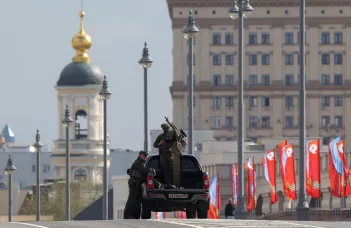
Russia has paused large-scale military strikes on Ukraine following a May 9 ceasefire agreement, potentially easing immediate energy market volatility. However, ground combat continues and diplomatic obstacles remain unresolved, limiting the scope of this temporary de-escalation.
The reported pause in Russian strikes represents a tactical shift rather than a comprehensive resolution to the Ukraine conflict. Large-scale aerial bombardments have historically disrupted energy infrastructure across Eastern Europe, creating supply shocks that ripple through global commodity markets. This temporary restraint may provide breathing room for energy markets to stabilize, particularly affecting oil and natural gas prices that influence broader macroeconomic conditions.
The ceasefire follows months of intense military operations that escalated energy prices and created geopolitical risk premiums across asset classes. Energy market disruptions disproportionately impact cryptocurrency markets, as they affect the cost of mining operations, data center operations, and broader economic sentiment that influences risk appetite. Eastern European mining operations and institutional crypto traders with exposure to regional energy costs benefit directly from reduced strike frequency.
However, the persistence of ground combat and unresolved diplomatic issues signal that this pause carries limited duration guarantees. Investors should monitor whether this reflects genuine negotiation progress or merely a temporary operational pause. The article's emphasis on "ongoing ground conflict and diplomatic challenges" suggests structural tensions remain unaddressed.
For crypto markets, energy price stability has secondary but measurable effects on mining profitability and institutional participation. Traders should watch for signals indicating whether this ceasefire deepens into substantive peace negotiations or collapses back into active hostilities. Any escalation would likely reverse energy price gains and reintroduce geopolitical risk premiums across broader markets.
- →Russia has reduced large-scale strikes on Ukraine since May 9, potentially easing energy market volatility and mining cost pressures
- →Continued ground combat and unresolved diplomatic challenges limit the scope and durability of this ceasefire
- →Energy market stabilization directly affects cryptocurrency mining profitability and operational costs in affected regions
- →This tactical pause may not represent structural peace progress, requiring ongoing monitoring for escalation signals
- →Geopolitical risk premiums may persist if ceasefire appears temporary rather than part of genuine settlement negotiations