
Russia-Ukraine conflict escalates with renewed strikes, dimming ceasefire hopes
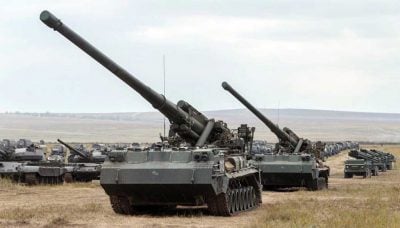
Russia and Ukraine conflict intensifies with renewed military strikes, significantly reducing prospects for near-term ceasefire negotiations. The escalation threatens prolonged regional instability with cascading effects on global geopolitical relations and economic conditions, including potential impacts on energy markets, sanctions regimes, and macroeconomic volatility that indirectly influence cryptocurrency and digital asset markets.
The renewed escalation in the Russia-Ukraine conflict represents a critical inflection point in negotiations that had shown tentative signs of progress. Fresh military strikes from both sides underscore hardened positions and diminished diplomatic momentum, pushing ceasefire timelines further into uncertainty. This development carries weight beyond military considerations, as protracted conflicts historically correlate with increased geopolitical risk premiums across financial markets.
The conflict's trajectory directly influences global energy markets, particularly oil and natural gas supplies from Russia. Extended hostilities risk renewed commodity shocks, inflation pressures, and central bank policy uncertainty—macroeconomic conditions that have historically driven cryptocurrency adoption as hedging instruments. European energy security concerns may intensify capital flight toward alternative asset classes, including digital currencies perceived as inflation hedges.
For cryptocurrency investors and platforms, prolonged geopolitical tension creates dual-edged market dynamics. Risk-off sentiment typically pressures crypto valuations alongside equities, yet safe-haven demand from regions experiencing sanctions or capital controls can drive localized demand for decentralized financial systems. The conflict also complicates regulatory frameworks globally, as geopolitical tensions influence government priorities around digital asset oversight and cross-border financial controls.
Market participants should monitor escalation intensity, sanctions announcements, and any peace negotiation developments. Extended conflict duration could perpetuate macroeconomic headwinds affecting risk asset valuations broadly. The intersection of geopolitical instability, energy volatility, and inflation dynamics remains critical for understanding crypto market positioning in coming quarters.
- →Renewed military strikes significantly reduce ceasefire probability and extend regional instability timelines.
- →Prolonged conflict threatens energy supply stability, potentially reigniting commodity inflation and macroeconomic volatility.
- →Geopolitical risk premiums typically suppress risk assets including cryptocurrencies during escalation phases.
- →Cryptocurrency demand may increase in sanctioned regions as decentralized finance alternatives gain relevance.
- →Extended conflict complicates global regulatory environments for digital assets and cross-border transactions.