
Russia, Ukraine dispute Sumy region control amid ongoing conflict
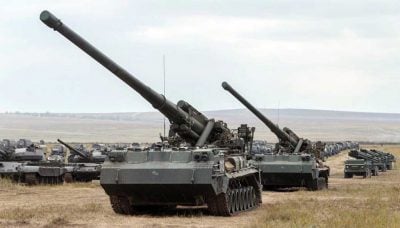
Ongoing territorial disputes in Russia's Sumy region continue to destabilize the area and complicate ceasefire negotiations between Russia and Ukraine. The conflict's persistence raises concerns about regional stability and influences market sentiment, particularly affecting risk assessments for Eastern European exposure.
The Sumy region conflict represents a critical flashpoint in the Russia-Ukraine war that extends beyond military significance into broader geopolitical risk management. Territorial control disputes in this area directly impact the feasibility of diplomatic resolution, as neither party has shown willingness to compromise on strategic positions. This stalemate prolongs uncertainty that weighs on investor confidence across multiple asset classes.
Historically, the Sumy region has served as a buffer zone and contested area throughout the conflict. Its strategic location near the Russian border and its proximity to major population centers make it valuable for both military and political positioning. The inability to achieve a ceasefire in this region signals deeper structural obstacles to peace, suggesting protracted conflict rather than near-term resolution.
For cryptocurrency and digital asset markets, prolonged geopolitical tension creates headwinds for risk-on sentiment. Eastern European-focused investments and projects face heightened uncertainty premiums. Additionally, international sanctions regimes and capital controls related to the conflict can restrict market access and create regulatory complications for exchanges and platforms operating in affected jurisdictions.
Looking ahead, market participants should monitor ceasefire negotiations and territorial control developments as leading indicators of geopolitical risk normalization. Any breakthrough in Sumy region disputes could signal broader peace momentum, potentially triggering sentiment improvements. Conversely, escalation or stalled negotiations may reinforce defensive positioning in crypto portfolios, favoring stable assets over higher-volatility holdings.
- →Territorial disputes in Sumy region complicate ceasefire negotiations and extend conflict timeline
- →Prolonged geopolitical uncertainty reduces risk-on sentiment in cryptocurrency markets
- →Regional instability affects investor confidence in Eastern European exposures
- →Ceasefire developments serve as key sentiment indicators for market risk reassessment
- →International sanctions and capital controls create operational complications for digital asset platforms