
Moscow’s Soviet-style tactics dim Russia-Ukraine ceasefire prospects
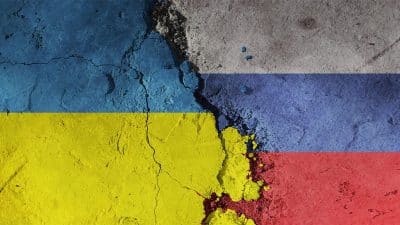
Moscow's escalating aggressive tactics are undermining diplomatic channels for a Russia-Ukraine ceasefire, reducing peaceful resolution prospects and intensifying geopolitical instability across Eastern Europe. The hardening of positions threatens to prolong the conflict and destabilize global markets.
Moscow's shift toward increasingly aggressive negotiating postures signals a deterioration in diplomatic engagement over the Russia-Ukraine conflict. This represents a critical juncture where military escalation takes precedence over peaceful settlement, narrowing the window for ceasefire agreements that could stabilize the region. The adoption of Soviet-style coercive tactics suggests Moscow views military leverage as preferable to negotiated outcomes, fundamentally altering the trajectory of peace efforts.
The geopolitical context reveals a pattern of escalating tensions since 2022, with Moscow consistently hardening demands while reducing incentives for negotiation. This approach mirrors Cold War era tactics designed to impose conditions rather than reach compromise. The strategy reflects calculations that military position strengthens negotiating leverage, though it simultaneously destroys trust-building mechanisms necessary for sustainable peace agreements.
For markets and investors, prolonged conflict creates sustained uncertainty affecting energy prices, supply chain stability, and macroeconomic forecasts. Cryptocurrency markets, sensitive to geopolitical risk, typically experience volatility during escalation phases as investors reassess safe-haven positioning. The reduction in diplomatic prospects increases the probability of extended conflict duration, keeping risk premiums elevated across asset classes.
Monitoring this situation requires attention to diplomatic channels, military developments, and rhetoric shifts. Any further escalation could trigger broader market reactions, particularly in energy and volatility indices. Investors should remain alert to potential sanctions expansion or NATO involvement changes that could dramatically reshape market conditions.
- →Moscow's aggressive tactics are actively reducing diplomatic channels for ceasefire negotiations
- →Soviet-style coercive negotiating strategies prioritize military leverage over peaceful compromise
- →Prolonged geopolitical instability increases volatility across global markets including cryptocurrency
- →The narrowing of peace prospects extends conflict duration and sustains risk premiums
- →Investors should monitor diplomatic developments and rhetoric shifts for market-moving escalation signals