
OpenAI CEO Sam Altman advocates for mandatory AI evaluations on Capitol Hill
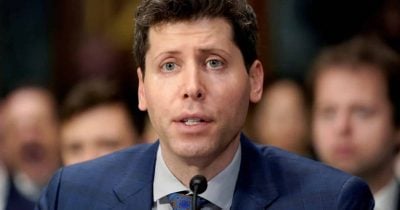
OpenAI CEO Sam Altman testified before Congress advocating for mandatory AI risk evaluations to be conducted after AI models are developed. His proposal aims to balance regulatory oversight with innovation acceleration, potentially reshaping how AI governance evolves and influencing both regulatory frameworks and venture capital investment strategies in the sector.
Sam Altman's Capitol Hill testimony represents a significant moment in AI regulatory discourse, as one of the industry's most influential leaders explicitly endorses mandatory post-development safety evaluations. This move signals that major AI companies are willing to accept compliance mechanisms, potentially to preempt stricter regulations they view as counterproductive. Altman's framing of post-development evaluations rather than pre-deployment restrictions suggests the industry is trying to shape regulatory outcomes to preserve development velocity while appearing responsible.
The timing reflects broader regulatory pressures mounting globally. Governments across jurisdictions are developing AI governance frameworks, and Altman's testimony appears strategically designed to steer Congress toward an approach that maintains competitiveness while establishing safety guardrails. This aligns with OpenAI's business interests: the company operates at the cutting edge and benefits from regulatory certainty without paralyzing compliance requirements.
For investors and developers, Altman's advocacy creates mixed implications. Mandatory evaluations could increase operational costs and timeline uncertainty, potentially benefiting larger, well-capitalized entities like OpenAI while disadvantaging startups. However, clear regulatory pathways can reduce uncertainty premiums and accelerate institutional capital deployment into AI ventures. The proposal essentially endorses a middle path that avoids either regulatory capture or existential restrictions.
Market participants should monitor how Congress responds to this testimony and whether other major AI leaders echo similar positions. If mandatory evaluations become legislative reality with reasonable implementation timelines, established AI companies would likely gain competitive advantages, while the regulatory framework's specifics will determine whether innovation accelerates or decelerates.
- →Altman advocates for post-development AI evaluations, positioning OpenAI as a responsible actor willing to accept oversight mechanisms
- →The proposal aims to balance regulatory compliance with innovation speed, potentially shaping competitive dynamics in the AI sector
- →Mandatory evaluations could increase operational costs, favoring well-capitalized companies and creating barriers for AI startups
- →Congress's response to this testimony will significantly influence near-term regulatory frameworks and investment sentiment in AI markets
- →The strategy reflects industry efforts to preempt stricter regulations by offering structured compliance alternatives