
Samsung Electronics, SK Hynix drive 8% rebound in Korean stocks after AI selloff
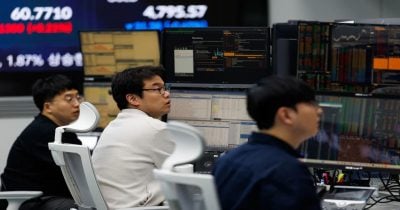
South Korean stocks rebounded 8% as semiconductor giants Samsung Electronics and SK Hynix led recovery efforts following an earlier AI-driven market selloff. The rebound underscores the fragility of Korea's equity market, which remains heavily concentrated in a handful of technology leaders.
South Korea's stock market demonstrated both resilience and vulnerability in its recent 8% rebound, driven primarily by semiconductor powerhouses Samsung Electronics and SK Hynix. This recovery follows a broader AI-related market correction that had pressured regional equities. The bounce-back reveals a critical structural weakness in Korea's financial ecosystem: excessive dependence on mega-cap tech firms to drive overall market performance.
The semiconductor sector's role in this rebound reflects the ongoing importance of chip manufacturers in the global AI infrastructure race. As AI demand continues reshaping technology supply chains, memory chip producers like SK Hynix and Samsung remain strategically positioned beneficiaries of data center buildouts and computing infrastructure expansion. However, this concentration creates a double-edged sword—gains in two companies can mask broader market weakness elsewhere in the economy.
For investors and traders, this pattern highlights systemic risk within Korean equities. When market movements hinge primarily on a few stocks, diversification benefits diminish significantly. The vulnerability suggests that Korean market participants face outsized exposure to semiconductor cyclicality and global AI sentiment shifts. A negative shift in chip demand or AI investment trends could trigger disproportionate market declines.
Looking forward, Korea's equity market health depends on whether the broader economy can develop more diverse growth drivers. Continued reliance on semiconductor giants leaves the market susceptible to sector-specific shocks. Investors should monitor semiconductor fundamentals closely, as Korea's market stability increasingly correlates with chip industry performance rather than macroeconomic strength.
- →Samsung and SK Hynix led an 8% rebound in Korean stocks following an AI-related selloff
- →South Korea's equity market faces structural vulnerability due to concentration in a few technology companies
- →Semiconductor demand remains tied to global AI infrastructure expansion and data center buildouts
- →Market movements driven by mega-cap stocks reduce diversification benefits for portfolio holders
- →Korea's financial stability depends on developing growth sectors beyond semiconductors