
Saudi Arabia condemns Iran’s attacks on Bahrain, Kuwait, and Jordan as ‘brutal aggression’
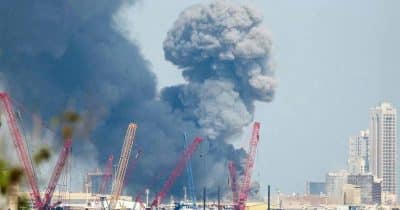
Saudi Arabia has publicly condemned Iran's military actions against Bahrain, Kuwait, and Jordan as 'brutal aggression,' signaling unified Arab regional opposition. This diplomatic escalation may trigger increased international intervention efforts and heightened geopolitical tensions affecting Middle Eastern stability and global markets.
The Saudi-led Arab condemnation of Iranian aggression represents a significant shift in regional diplomatic positioning, with multiple Gulf states aligning against Iran's military posture. This unified stance demonstrates coordinated Arab response to what Saudi Arabia frames as destabilizing behavior, potentially reflecting broader concerns about Iranian regional influence and proxy activities. The explicit naming of three separate targets—Bahrain, Kuwait, and Jordan—indicates a pattern of Iranian actions that Gulf Cooperation Council (GCC) members view as systemic rather than isolated incidents.
Historically, Saudi-Iranian tensions have oscillated between proxy conflicts and direct military confrontations, with previous escalations occurring in 2019 following attacks on Saudi oil infrastructure and in 2020 with Qasem Soleimani's assassination. The current Arab unified response suggests that Iran's actions have crossed thresholds that individual nations can no longer tolerate silently, potentially signaling preparation for coordinated diplomatic or military responses. This escalation occurs within broader Middle Eastern restructuring, including normalization efforts and shifting alliances.
For cryptocurrency and global markets, geopolitical tensions in the Middle East traditionally create uncertainty and volatility. Oil price fluctuations driven by regional instability directly impact macroeconomic conditions affecting risk asset valuations, including crypto markets. Risk-off sentiment typically strengthens safe-haven assets while increasing market volatility. Investors monitoring regional developments should expect potential energy price shocks and corresponding portfolio impacts, as major crude oil producers remain concentrated in this region.
- →Saudi Arabia led unified Arab condemnation of Iranian military actions targeting three Gulf states and neighbors
- →Multi-state coordinated response suggests escalating regional tensions beyond isolated incidents
- →Middle Eastern geopolitical instability historically creates volatility in oil prices and global financial markets
- →Potential for international intervention adds uncertainty to regional security and economic outlook
- →Risk-off sentiment from escalating tensions may redirect investment flows toward traditional safe-haven assets