
Saudi Crown Prince and Macron discuss reopening Strait of Hormuz
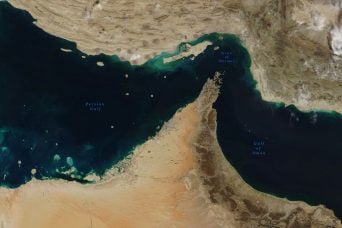
Saudi Crown Prince and French President Macron held diplomatic discussions regarding reopening the Strait of Hormuz, signaling potential multilateral cooperation on regional security. Market observers remain cautious, anticipating prolonged negotiations and underlying geopolitical complexities that could delay resolution.
The diplomatic engagement between Saudi Arabia and France reflects growing international efforts to address critical maritime chokepoints affecting global trade and energy markets. The Strait of Hormuz remains one of the world's most strategically important waterways, with approximately 20% of global oil passing through it daily. Disruptions to this corridor create immediate ripple effects across energy prices, shipping costs, and broader macroeconomic stability that directly influences risk asset valuations including cryptocurrencies.
This initiative builds on decades of regional tension and recent escalations that have threatened shipping routes. Saudi Arabia's participation signals its willingness to engage diplomatically rather than escalate militarily, while France's involvement underscores European interest in preserving global trade stability. The multilateral approach suggests recognition that unilateral solutions have proven ineffective.
For crypto and traditional markets, the outcome carries significant implications. Reopening the strait could stabilize crude oil prices, reduce geopolitical risk premiums, and strengthen risk-on sentiment across asset classes. Conversely, if negotiations stall—as market skepticism suggests—prolonged uncertainty could sustain elevated energy costs and volatile macro conditions that often drive investors toward alternative assets like cryptocurrencies as hedges.
Market participants should monitor negotiation timelines and any announcements regarding implementation mechanisms. Success would likely tighten oil spreads and reduce volatility, potentially easing inflation pressures. Failure or delays would perpetuate supply-chain uncertainties and maintain the geopolitical premium embedded in energy prices, sustaining conditions that have historically supported cryptocurrency demand as macro insurance.
- →Saudi-French talks on Strait of Hormuz reopening represent significant diplomatic effort to stabilize critical global trade corridor.
- →Market skepticism suggests negotiations may extend beyond near-term, maintaining geopolitical uncertainty and energy price volatility.
- →Resolution could stabilize oil prices and reduce macro volatility, potentially cooling cryptocurrency hedge demand.
- →Continued disruption would sustain elevated energy costs and inflation pressures, supporting alternative asset appreciation.
- →Investors should track negotiation progress as key indicator for broader macro risk sentiment and energy market stability.