
Senate rejects warrantless surveillance law, raising doubts on its future
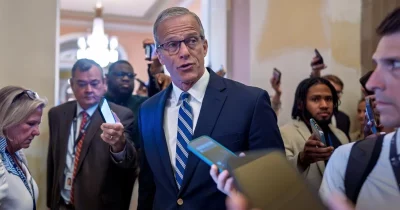
The U.S. Senate rejected reauthorization of warrantless surveillance provisions, signaling bipartisan concern over privacy rights. This decision could reshape how tech companies and digital platforms handle user data and compliance with government requests, with implications for the broader regulatory landscape affecting cryptocurrency and decentralized platforms.
The Senate's rejection of warrantless surveillance reauthorization represents a meaningful shift in how lawmakers approach the balance between national security and individual privacy. The bipartisan nature of this pushback suggests that privacy concerns have transcended typical political divisions, reflecting constituent pressure and growing awareness of surveillance overreach. This development matters because surveillance frameworks directly influence how technology companies, including those in the cryptocurrency space, manage user data and respond to government inquiries.
Historically, expansive surveillance powers have faced intermittent resistance, but sustained bipartisan opposition indicates a structural change in legislative priorities. The momentum toward privacy protection reflects broader public concern about data collection practices and government access to personal information without judicial oversight. This trend has accelerated as more Americans recognize the implications of unchecked digital surveillance on civil liberties.
For the cryptocurrency industry, this decision carries substantial implications. Crypto platforms have faced intense regulatory pressure regarding transaction monitoring and user identification. A Senate that prioritizes privacy constraints could create friction with existing regulatory demands, potentially shifting how agencies like FinCEN approach compliance requirements. Conversely, the decision might embolden crypto advocates arguing that decentralized systems offer legitimate privacy protections against overreaching government surveillance.
Looking ahead, the cryptocurrency and tech sectors should monitor whether Congress pursues alternative surveillance legislation or whether this rejection signals a fundamental reorientation toward privacy-first regulation. The outcome will likely shape compliance expectations for exchanges, wallet providers, and blockchain analytics firms operating in the U.S. market over the next regulatory cycle.
- →Bipartisan Senate rejection of warrantless surveillance suggests privacy concerns now transcend traditional political divisions
- →Tech companies, including cryptocurrency platforms, may face eased compliance pressures if privacy-first regulation gains momentum
- →The decision could complicate future government access to user data on blockchain and digital platforms
- →Crypto advocates may leverage this precedent to argue against excessive transaction monitoring requirements
- →Investors should monitor whether Congress pursues alternative surveillance legislation in coming months