
Senate Republicans reverse Iran stance after Trump intervention
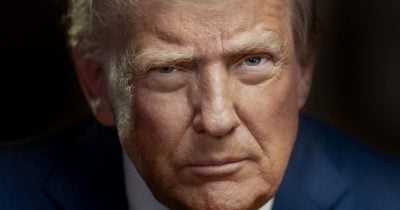
Senate Republicans reversed their position on Iran policy following Trump's intervention, exposing internal GOP divisions that could reshape diplomatic strategies and influence global financial markets. The shift signals potential volatility in geopolitical relations and international trade dynamics.
Political realignment within the Republican Party demonstrates the concentrated influence Trump maintains over Senate GOP leadership. When institutional Republican positions conflict with Trump's preferred approach, party leadership capitulates rather than maintain independence, revealing structural vulnerabilities in congressional separation from executive influence. This pattern reflects broader trends of personality-driven politics superseding institutional governance.
The Iran policy reversal carries historical weight given previous GOP criticism of the Obama administration's nuclear deal. Trump's original maximum-pressure campaign against Iran enjoyed bipartisan support, yet Senate Republicans now align with Trump's current position regardless of consistency with prior stances. This flexibility suggests party messaging prioritizes loyalty signals over coherent policy frameworks, creating unpredictability in foreign relations.
Market participants monitor Iran-related developments closely due to oil price implications and sanctions impacts on energy markets. Cryptocurrency markets, particularly those exposed to geopolitical risk hedging narratives, respond to shifting US-Iran dynamics. Reversals in sanctions policy or diplomatic posture can rapidly reprice assets, especially those marketed as censorship-resistant stores of value during periods of international tension. Traders should track whether this policy shift affects energy prices or triggers new sanctions regimes.
Investors should watch for concrete policy implementation following this reversal. Statements of party realignment mean little without corresponding legislative or executive action. The durability of this new GOP consensus remains uncertain, particularly if circumstances change or Trump faces political obstacles. Market implications depend on translation from Senate positioning into actual Iran policy modifications.
- →Senate Republicans reversed Iran policy stance after Trump intervention, exposing party leadership's deference to Trump over independent governance.
- →The shift creates uncertainty in US foreign policy continuity and international relations, affecting energy markets and geopolitical risk assets.
- →Cryptocurrency markets sensitive to geopolitical volatility may experience price movements if the Iran policy reversal escalates international tensions.
- →Party loyalty superseded prior Republican positions on Iran, signaling that Trump-aligned positions now define GOP orthodoxy regardless of past stances.
- →Market participants should await concrete policy implementation rather than treating political statements as definitive indicators of future action.