
US Senate votes to end Iran war, rebuking Trump administration
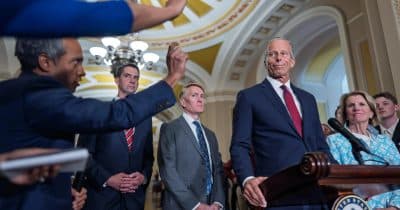
The US Senate voted to end military action in Iran, reasserting congressional authority over military decisions and signaling a shift in US foreign policy oversight. This move reflects broader tensions between executive and legislative branches regarding military engagement decisions.
The Senate's vote to terminate Iran war authorization represents a significant reassertion of congressional power over military operations, a constitutional principle that has eroded over decades of executive overreach. This legislative action reflects growing bipartisan concern about unchecked executive military authority and the need for transparent, democratically-accountable decision-making on matters of war and peace. The vote signals that Congress intends to reclaim its constitutional role as a check on presidential war powers, particularly when deployments lack clear legislative authorization or explicit congressional approval.
Historically, US military engagements have increasingly operated under outdated authorizations or executive orders rather than current congressional mandates. The Senate's action addresses this democratic deficit by forcing transparent debate and formal votes on military commitments. This reassertion of congressional authority has precedent in post-Vietnam War attempts to limit executive military discretion, though sustained enforcement remains inconsistent.
For markets and investors, geopolitical stability directly influences risk asset pricing, currency valuations, and energy markets. Reduced military escalation potential typically supports risk-on sentiment and lower volatility premiums. Oil prices, which had spiked on Iran conflict concerns, could moderate if investors interpret this as reduced near-term military escalation risk. Cryptocurrency markets, often sensitive to geopolitical uncertainty and potential sanctions regimes, may benefit from de-escalation narratives that reduce systemic risk.
Looking ahead, investors should monitor executive branch responses to this congressional action and track whether additional military authorization votes emerge. The broader implications extend to US credibility in international relations and potential impacts on allied confidence in American commitment to defense agreements.
- →Senate vote reasserts congressional authority over military operations against executive overreach
- →De-escalation signals may reduce geopolitical risk premiums in oil and risk assets
- →Victory reflects bipartisan concern about unchecked presidential war powers
- →Cryptocurrency markets could benefit from reduced geopolitical uncertainty and sanctions risk
- →Executive branch response will determine practical impact of congressional action