
Senator Kennedy dismisses cryptocurrency’s role in US economy during affordability hearing
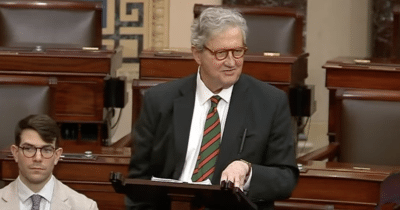
Senator Kennedy dismissed cryptocurrency's relevance to the US economy during a congressional affordability hearing, reinforcing crypto's marginalized position in mainstream economic policy discussions. The incident highlights ongoing regulatory uncertainty and the sector's struggle for mainstream political recognition, which could prolong investor challenges and policy ambiguity.
Senator Kennedy's dismissal of cryptocurrency during an affordability-focused hearing signals a critical disconnect between the crypto industry's ambitions and lawmakers' policy priorities. While the senator's comments may seem routine, they reflect a broader pattern where established political figures continue to treat digital assets as peripheral to core economic concerns—a position that carries significant consequences for regulatory clarity and institutional adoption.
Historically, cryptocurrency has struggled to gain legitimacy in mainstream policy circles, despite growing retail participation and institutional interest. Previous congressional hearings have produced heated exchanges between tech advocates and skeptical lawmakers, but most deliberations remain siloed from broader macroeconomic discussions. Kennedy's stance suggests that crypto advocates have yet to effectively position digital assets as solutions to pressing economic challenges like affordability and inflation—areas where proponents argue blockchain could play a meaningful role.
The practical implications extend beyond political optics. Continued dismissal from mainstream policy discussions perpetuates regulatory fragmentation, where crypto operates under inconsistent rules across different agencies. This ambiguity raises compliance costs for developers and exchanges while deterring institutional capital that requires clear legal frameworks. For retail investors, the absence of coherent policy increases execution risk and limits access to mainstream financial infrastructure.
Moving forward, the crypto industry faces pressure to reframe its narrative around concrete economic benefits rather than technological innovation alone. As inflation and affordability remain political priorities, advocates must demonstrate how blockchain solutions address these concerns directly. Upcoming regulatory actions and congressional inquiries will likely reflect this same skepticism unless the industry successfully bridges the gap between crypto's potential and policymakers' immediate economic priorities.
- →Senior lawmakers continue dismissing cryptocurrency's economic relevance, reinforcing regulatory uncertainty and political marginalization of digital assets.
- →Crypto's absence from mainstream macroeconomic policy discussions perpetuates fragmented regulation and discourages institutional adoption.
- →The industry's failure to connect blockchain solutions to pressing affordability concerns limits political support and policy legitimacy.
- →Regulatory ambiguity persists as crypto remains sidelined from core economic policy deliberations across federal agencies.
- →Investors face prolonged uncertainty while crypto advocates must develop stronger narratives linking digital assets to mainstream economic challenges.