
Siemens, Nvidia, and Fluence unveil reference architecture for AI data centers with 136 MW capacity
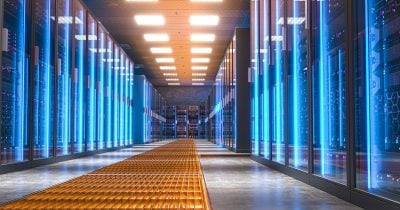
Siemens, Nvidia, and Fluence have jointly developed a reference architecture for AI data centers with 136 MW capacity that integrates battery storage systems. This collaboration signals a strategic shift toward grid-scale energy storage solutions, which is accelerating the deployment timeline for large-scale AI computing infrastructure.
The partnership between Siemens, Nvidia, and Fluence addresses a critical infrastructure challenge facing the AI industry: reliable power delivery at scale. AI data centers consume enormous amounts of electricity, and traditional grid connections often cannot support the rapid scaling demands of modern compute clusters. By embedding battery storage directly into the reference architecture, the consortium demonstrates how energy resilience becomes a foundational component rather than an afterthought in AI facility design.
This development reflects a broader industry recognition that computational growth and energy security are interdependent. As data centers proliferate globally to support AI training and inference workloads, power availability and grid stability have become bottlenecks limiting expansion. The 136 MW reference architecture provides a standardized blueprint that reduces engineering complexity and deployment friction for enterprises planning large-scale AI infrastructure investments.
For the market, this collaboration benefits equipment manufacturers, energy storage providers, and data center operators by establishing interoperable standards. The integration of Fluence's battery technology with Nvidia's computing platforms and Siemens' electrical systems creates an ecosystem approach that could become industry practice. This accelerates time-to-market for new facilities and reduces capital expenditure uncertainty.
Looking forward, the success of this reference architecture will likely drive similar collaborations across the industry. Standardization tends to lower costs through manufacturing scale and competitive benchmarking, making AI infrastructure more accessible to mid-market operators. Watch for announcements of facilities adopting this architecture and potential extensions to higher power capacities as demand grows.
- →Siemens, Nvidia, and Fluence unveiled a standardized 136 MW AI data center architecture with integrated battery storage
- →Battery storage integration reduces deployment timelines by addressing grid reliability as a core design requirement
- →Standardized reference architectures typically reduce capital costs and engineering complexity for facility operators
- →This collaboration signals that energy resilience is now a competitive differentiator in AI infrastructure markets
- →Future adoption of this blueprint could accelerate global AI data center expansion and drive further standardization