
SK Hynix evacuates 3,600 workers after fire and toxic gas leak at South Korean chip plant
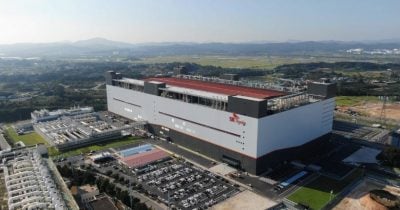
SK Hynix evacuated 3,600 workers from its South Korean chip manufacturing facility following a fire and toxic gas leak incident. The event highlights critical vulnerabilities in the global AI chip supply chain and underscores the risks posed by concentrated production dependencies on single facilities or regions.
SK Hynix's evacuation of thousands of workers due to fire and toxic gas exposure represents a significant disruption event in semiconductor manufacturing. The South Korean chipmaker is a critical supplier in the global AI chip ecosystem, producing high-bandwidth memory (HBM) and DRAM components essential for AI infrastructure. Any extended downtime at major fabrication plants cascades through the entire supply chain, affecting AI model training, data center deployments, and emerging AI hardware initiatives worldwide.
The incident reflects a persistent structural weakness in semiconductor manufacturing concentration. Despite years of supply chain discussions following pandemic-related shortages, production remains geographically concentrated in East Asia, with South Korea hosting multiple mega-facilities. A single accident, natural disaster, or geopolitical event can disrupt global semiconductor availability for months. This vulnerability has driven initiatives toward geographic diversification, including U.S. and European foundry expansion, though these remain years away from meaningful production capacity.
For AI infrastructure investors and cryptocurrency stakeholders reliant on robust computational resources, prolonged chip shortages translate to constrained GPU/ASIC availability, rising hardware costs, and delayed scaling timelines. GPU scarcity directly impacts AI training acceleration and cryptocurrency mining profitability. Market participants currently expect short-term supply tightness if SK Hynix's facility requires extended repairs.
The incident accelerates discussions around supply chain resilience. Industry participants may increase inventory buffers and accelerate diversification timelines. Government subsidies for alternative production regions, particularly in the United States and Europe, are likely to receive renewed attention and support.
- →SK Hynix's facility evacuation reveals critical single-point-of-failure risks in global AI chip supply chains
- →Concentrated semiconductor manufacturing in East Asia leaves AI infrastructure vulnerable to localized disruptions
- →Extended production downtime could tighten GPU availability and increase hardware costs for AI projects and mining operations
- →The incident reinforces urgency around geographic diversification of chip fabrication capacity
- →Supply chain resilience initiatives and government subsidies for alternative production regions will likely accelerate