
SoFi Stadium workers vote to authorize a strike as Los Angeles prepares to host World Cup games
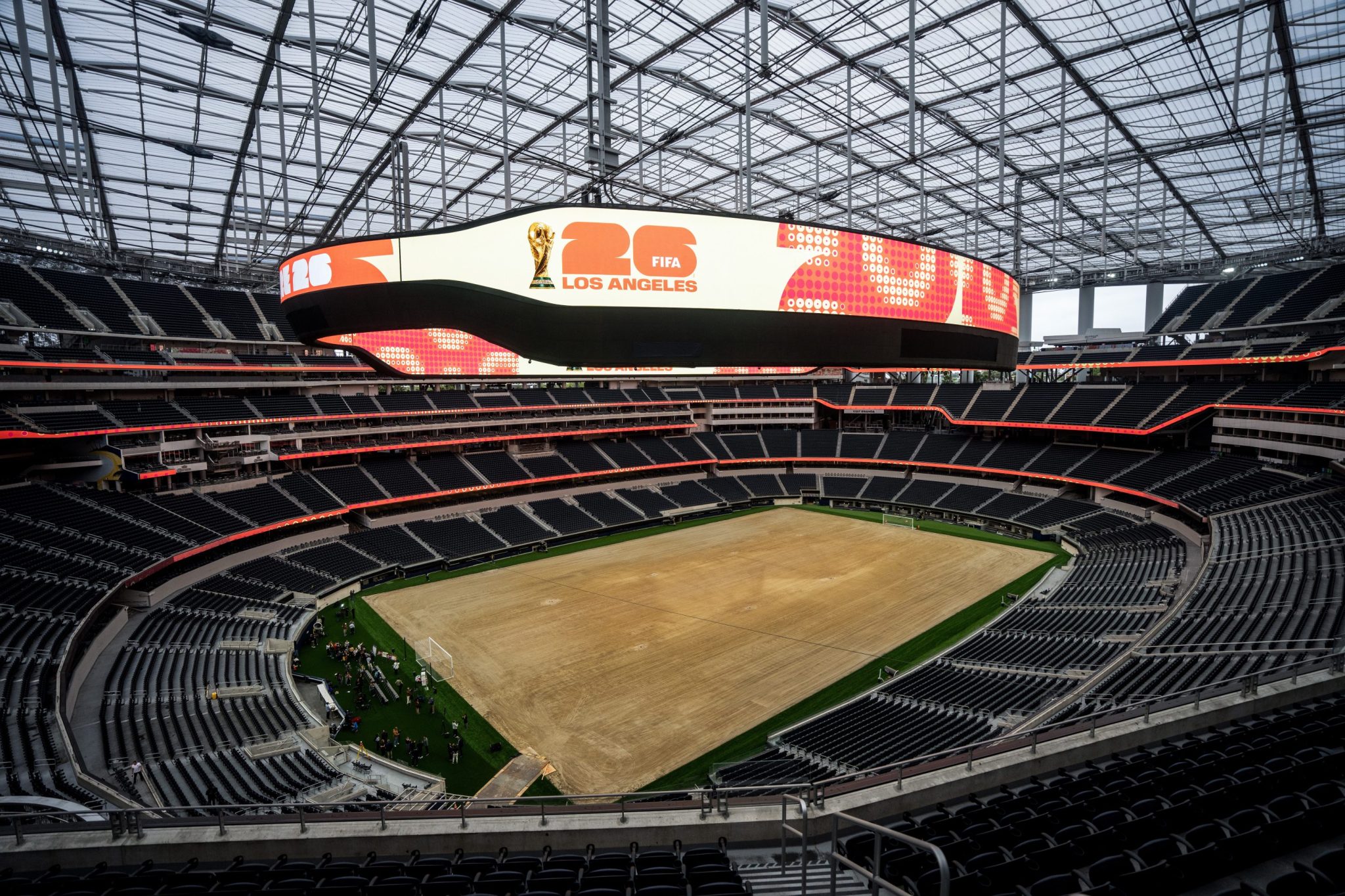
Stadium workers at SoFi Stadium in Inglewood, California have voted to authorize a strike ahead of the venue's hosting of U.S. men's soccer team World Cup matches. The 2,000 unionized employees—including bartenders, servers, cooks, and dishwashers—now have the option to walk off the job, though authorization does not guarantee a strike will occur.
The authorization vote at SoFi Stadium reflects growing labor tensions in the hospitality and events sector as major sporting events approach. Stadium workers have leveraged the high-profile nature of World Cup hosting to secure negotiating power with management, using strike authorization as a pressure tactic in contract disputes. This action aligns with broader labor activism across entertainment venues and service industries, where workers seek better wages, benefits, and working conditions in the post-pandemic economy.
The timing is strategically significant for workers. World Cup matches attract international attention and generate substantial revenue for venue operators and local economies. A strike during these high-stakes events would create substantial operational disruptions and reputational damage, making management more likely to concede to worker demands. However, management typically prepares contingency plans including temporary staffing solutions to minimize impact.
For stakeholders, the strike authorization introduces operational uncertainty for SoFi Stadium's event calendar and potential revenue impacts. The venue operator faces pressure to negotiate favorably or risk disruptions during premium events. Local authorities and FIFA may also face complications if labor disputes affect game-day operations or fan experience.
The outcome will likely depend on negotiation progress in coming weeks. Historical precedent suggests strike authorizations often lead to last-minute settlements rather than actual work stoppages, as both parties seek to avoid worst-case scenarios. SoFi Stadium management will need to balance worker demands with operational costs and stakeholder expectations.
- →2,000 SoFi Stadium workers authorized a strike ahead of World Cup games, giving them negotiating leverage during high-revenue events
- →Strike authorization does not guarantee a walkoff but signals workers' willingness to disrupt operations if demands aren't met
- →The timing targets major sporting events where operational disruptions create maximum pressure on venue management
- →Labor tensions reflect broader post-pandemic trends of workers seeking improved wages and conditions across service industries
- →Negotiations in coming weeks will likely determine whether authorization leads to actual strike action or settlement