
SoftBank’s Masayoshi Son challenges Elon Musk’s orbital data center vision
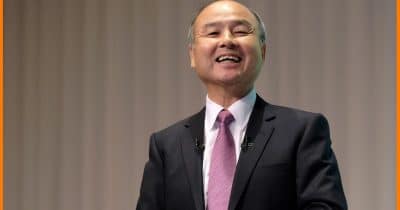
SoftBank's Masayoshi Son is advocating for terrestrial data centers as the superior infrastructure strategy for AI, directly challenging Elon Musk's vision of orbital space-based data centers. This strategic disagreement reflects divergent philosophies on how to scale AI computing infrastructure most efficiently and cost-effectively.
The debate between Son and Musk represents a fundamental disagreement about the future of AI infrastructure deployment. Son's push for ground-based data centers prioritizes proven, scalable technology that can be deployed immediately with existing supply chains and regulatory frameworks. This approach emphasizes maximizing efficiency within terrestrial constraints rather than pursuing speculative space-based alternatives. Musk's orbital data center concept, conversely, aims to overcome Earth-based limitations through space-based infrastructure that could theoretically offer advantages in power efficiency and latency through proximity to certain services.
Historically, both executives have shaped investment and innovation trends across tech and finance sectors. Son's Vision Fund has backed numerous AI infrastructure plays, while Musk's Starlink demonstrates his commitment to space-based ventures. This pivot reflects broader industry recognition that AI infrastructure represents a critical bottleneck and competitive advantage in the current technology landscape. The disagreement illuminates tensions between incremental, near-term optimization and moonshot thinking.
For investors and developers, this debate matters because it signals where capital and talent may flow. Ground-based infrastructure proponents argue traditional data centers offer superior ROI, regulatory clarity, and implementation timelines. This positioning could influence venture funding, technology partnerships, and strategic decisions across the AI sector. Companies choosing between terrestrial expansion and space-based innovation must now navigate conflicting narratives from major industry figures.
The coming years will reveal which infrastructure approach better serves AI scaling needs. Market dynamics, regulatory developments, and technological breakthroughs in space-based systems will determine whose vision prevails, potentially reshaping global AI computational capacity architecture.
- →Son advocates for terrestrial data centers over Musk's orbital infrastructure concept, creating a high-profile strategic divergence
- →Terrestrial approach emphasizes proven technology with faster deployment and clearer regulatory pathways
- →This debate highlights infrastructure scalability as a critical competitive advantage in AI development
- →Investment and venture capital flows may shift based on which approach investors believe will dominate
- →Market validation will depend on real-world performance, costs, and technological breakthroughs over the next 3-5 years