
Friends of Zion founder plans to discuss Somaliland recognition with Trump
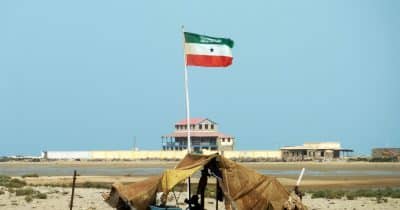
A Friends of Zion founder plans to discuss Somaliland's international recognition with Trump, potentially reshaping Horn of Africa geopolitics. The move carries strategic benefits but risks regional instability and diplomatic tensions that could have broader international implications.
The planned discussion between a Friends of Zion representative and Trump regarding Somaliland recognition signals potential shifts in U.S. foreign policy toward the Horn of Africa. Somaliland, a self-declared state in northwestern Somalia, has sought international recognition for over three decades without securing it from major powers. This initiative reflects emerging diplomatic strategies that could realign regional relationships and challenge established UN frameworks around state sovereignty and territorial integrity.
Somaliland's situation stems from its merger with Somalia in 1960, followed by decades of conflict and its 1991 declaration of independence. Despite functioning as a de facto autonomous region with its own government, currency, and military, the international community has refrained from formal recognition to avoid legitimizing secessionism and destabilizing the broader Somali state. The Trump administration's previous foreign policy approach prioritized unconventional diplomatic moves and strategic realignments, making such discussions plausible.
For global markets and investors, Somaliland recognition could unlock economic opportunities in regional trade, resource extraction, and infrastructure development while simultaneously creating uncertainty. Cryptocurrency and blockchain applications might benefit from reduced regulatory friction in a newly recognized jurisdiction, though geopolitical risks could deter institutional capital. Regional instability could disrupt shipping lanes and Horn of Africa investment corridors, affecting broader emerging market exposure.
Watchers should monitor whether formal U.S. engagement materializes, how African Union and UN bodies respond, and whether recognition attempts trigger proxy conflicts or diplomatic fractures. Somalia's response proves critical, as does the position of regional powers like Ethiopia and Kenya.
- →Somaliland recognition discussions represent a potential departure from traditional Western policies on secessionist territories
- →Formal recognition could destabilize the Horn of Africa region and trigger diplomatic tensions with established Somali authorities
- →New jurisdictions may create regulatory opportunities for emerging technologies but carry elevated geopolitical risk
- →Regional shipping lanes and investment corridors could face disruption if political tensions escalate
- →The outcome depends on U.S. diplomatic follow-through and responses from African institutions and neighboring states