
South Korea’s exports surge 53% in May, driven by AI chip boom
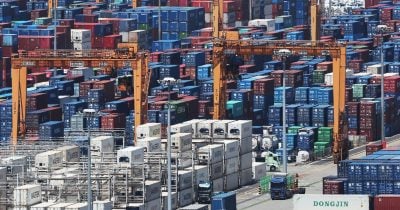
South Korea reported a 53% surge in exports during May, primarily driven by strong demand for AI chips and semiconductors. While this signals robust economic growth, the country's heavy concentration in chip manufacturing creates vulnerability to market volatility and supply chain disruptions.
South Korea's May export performance reflects the global surge in demand for semiconductor infrastructure needed to support artificial intelligence systems. The 53% increase demonstrates how effectively the nation has positioned itself as a critical supplier in the AI hardware supply chain, leveraging its established manufacturing expertise and technological capabilities. This growth aligns with broader industry trends as enterprises and cloud providers scale AI deployment, driving insatiable demand for advanced chips.
Historically, South Korea built its export economy around semiconductor leadership, establishing dominance through companies like Samsung and SK Hynix. The current AI boom represents a continuation and amplification of this strategic advantage, as AI workloads require specialized processors. However, this concentration creates systemic risk—the nation's export profile lacks diversification, leaving it exposed to cyclical semiconductor markets and potential oversupply scenarios.
For investors and market participants, this data signals confidence in AI infrastructure demand and validates the thesis that semiconductor companies remain pivotal to technological advancement. Rising exports typically support currency strength and equity valuations of Korean tech firms. However, the article explicitly warns of "significant risks amid potential market volatility," suggesting that current growth rates may not be sustainable if AI investment cools or competitors increase capacity.
Looking forward, the critical factors include monitoring whether demand continues accelerating, tracking competing chip nations (Taiwan, Japan), and observing whether South Korea diversifies its export base. Geopolitical tensions affecting semiconductor supply chains and potential trade restrictions could rapidly reverse these positive trends, making this growth period potentially fragile despite its impressive current momentum.
- →South Korea's exports surged 53% in May, driven primarily by booming AI chip demand.
- →The country's semiconductor-dependent economy generates strong growth but carries concentration risk.
- →AI infrastructure buildout remains a major driver of semiconductor demand globally.
- →Heavy reliance on chip manufacturing creates vulnerability to market cycles and oversupply.
- →Sustained growth depends on continued AI investment and South Korea maintaining competitive advantages.