
South Korea unveils measures to stem won slide and curb speculation
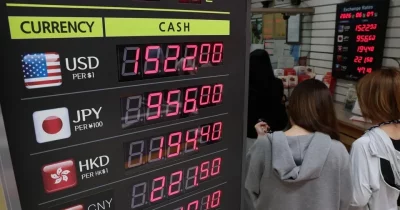
South Korea has introduced regulatory measures aimed at stabilizing its currency and reducing speculative trading activity. While these interventions may provide stability to the won, they risk suppressing trading volumes and altering market participation patterns for investors engaged in currency and related asset markets.
South Korea's announcement of regulatory measures targeting currency speculation reflects growing concerns about won volatility and capital flow dynamics. The government's intervention signals a shift toward stricter oversight of speculative positions that have contributed to downward pressure on the currency. This move aligns with broader global trends of central banks and regulators implementing circuit-breakers and position limits during periods of currency instability.
The won's decline has ripple effects across South Korea's financial ecosystem, including its substantial cryptocurrency and trading sectors. Currency weakness typically prompts capital outflows and increases hedging costs for international investors, while also affecting the competitiveness of Korean exporters. These macroeconomic pressures have likely motivated Seoul's regulatory response, which may include transaction taxes, position limits, or enhanced reporting requirements on speculative trades.
For cryptocurrency and fintech markets, stricter regulations on currency speculation could redirect speculative capital flows and alter trading strategies. Platforms facilitating won-to-crypto conversions may face increased compliance burdens, while retail traders may encounter higher barriers to entry or reduced leverage. Institutional participants will need to adjust risk management frameworks in response to new constraints.
Looking ahead, the effectiveness of these measures depends on execution and international coordination. If implemented too aggressively, they risk pushing trading activity offshore to less regulated venues, potentially reducing transparency. Market participants should monitor enforcement intensity and any subsequent policy announcements clarifying specific restrictions, as these will determine the practical impact on trading volumes and capital allocation strategies in Korean markets.
- →South Korea is implementing regulatory measures to stabilize the won and reduce currency speculation.
- →Stricter oversight may suppress trading volumes and deter speculative participants from Korean markets.
- →The policy shift could redirect speculative capital flows away from currency trading and toward alternative assets.
- →Cryptocurrency and fintech platforms operating in South Korea may face increased compliance requirements.
- →Effectiveness depends on enforcement rigor and whether trading activity shifts to less regulated offshore venues.