
South Korean ship hit in Strait of Hormuz amid rising tensions
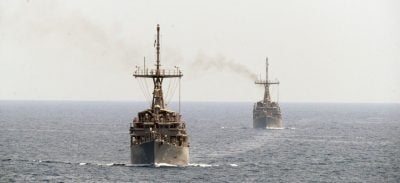
A South Korean vessel was struck in the Strait of Hormuz as geopolitical tensions escalate in the region. The incident threatens global trade routes and could trigger military responses, disrupting international commerce and potentially affecting energy markets and cryptocurrency volatility.
The attack on a South Korean ship in the Strait of Hormuz represents a significant escalation in regional hostilities. This chokepoint handles approximately 20% of global oil transit, making any disruption to shipping routes consequential for energy prices and macroeconomic stability. The incident signals deteriorating security conditions that could prompt retaliatory military action and further destabilize an already fragile geopolitical landscape.
The Strait of Hormuz has long served as a flashpoint for international tensions, with various state and non-state actors leveraging control over shipping lanes for political advantage. Recent years have witnessed repeated incidents affecting commercial vessels, reflecting deepening conflicts and competing regional interests. This particular attack on a South Korean asset draws a major Asian economy into the dispute, expanding the potential scope of international involvement and raising stakes for diplomatic resolution.
Market implications are substantial. Energy price spikes resulting from shipping disruptions typically correlate with increased cryptocurrency volatility, as investors reassess macroeconomic risks. Bitcoin and other assets often benefit from geopolitical uncertainty as safe-haven investments, but prolonged supply chain disruptions could trigger broader market corrections. Oil price shocks ripple through traditional markets, creating both hedging demand for crypto assets and systemic financial stress that can suppress risk appetite.
Investors should monitor maritime security reports and diplomatic communications from Seoul, Washington, and regional powers. Extended conflicts could prompt sanctions that affect global trade and financial systems, potentially reshaping crypto market correlations with traditional assets. The situation warrants attention to energy futures and geopolitical risk indicators as leading signals for broader market movements.
- →Attack on South Korean vessel in Strait of Hormuz escalates regional tensions and threatens 20% of global oil transit
- →Disruptions to energy markets typically increase cryptocurrency volatility as investors reassess macroeconomic risks
- →Potential military interventions could trigger sanctions and broader economic disruptions affecting multiple asset classes
- →Geopolitical uncertainty often drives safe-haven demand for Bitcoin and crypto assets despite broader market stress
- →Investors should monitor maritime security developments and energy prices as leading indicators for market movements