
SpaceX and other mega IPOs may wait years to join the S&P 500
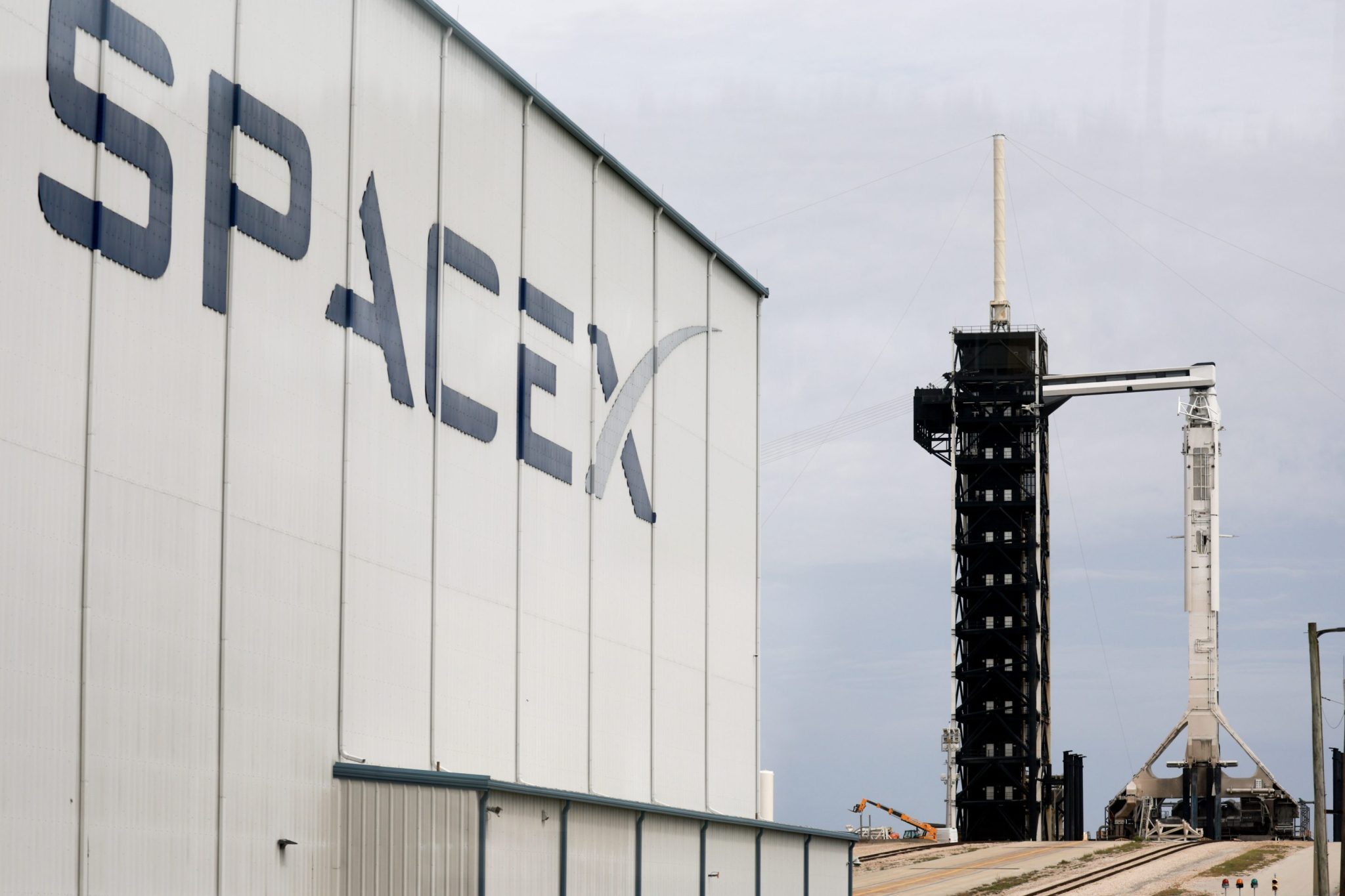
The S&P 500 has maintained strict listing requirements that could keep major IPOs like SpaceX out for years, while Nasdaq has relaxed its rules to allow entry into the Nasdaq 100 within just 15 trading days. This divergence in index operator policies creates different pathways and timelines for mega-cap companies seeking inclusion in major equity indices.
Index inclusion represents a significant milestone for public companies, as entry into major benchmarks like the S&P 500 typically triggers substantial passive capital inflows through index funds and ETFs. The S&P 500's conservative approach to listing requirements reflects a philosophy prioritizing stability and established track records over rapid market participation. This contrasts sharply with Nasdaq's decision to streamline its Nasdaq 100 requirements, reducing the waiting period from three months to 15 trading days—a move designed to remain competitive and attractive to high-profile IPOs.
The implications extend beyond mere timing differences. Companies facing multi-year waits for S&P 500 inclusion may see their institutional investor bases develop through alternative channels, including direct holdings and other indices. This creates market segmentation where mega-IPOs could initially concentrate trading volume on Nasdaq or through over-the-counter channels before eventual S&P inclusion. The policy divergence also reflects deeper strategic choices about market structure: Nasdaq prioritizes rapid capital formation and index relevance, while S&P emphasizes the index's established reputation and investor confidence.
For investors and developers, these different pathways matter significantly. Companies targeting S&P inclusion need contingency strategies for years-long integration periods, potentially affecting valuation timelines and investor expectations. Market participants tracking mega-IPOs like SpaceX must understand that index inclusion triggers may be delayed, potentially limiting initial passive buying pressure compared to Nasdaq-listed peers. The divergence also incentivizes companies to carefully weigh listing venue selection based on their capital-raising timeline and investor base composition.
- →S&P 500 maintains stricter listing requirements that could delay mega-IPO inclusion for years, unlike Nasdaq's expedited 15-trading-day timeline
- →Nasdaq reduced its Nasdaq 100 entry window from three months to 15 days, making it more competitive for major IPO listings
- →Index inclusion timelines directly impact institutional capital inflows and initial trading volume distribution across exchanges
- →Companies like SpaceX face extended S&P 500 waiting periods, requiring alternative strategies for institutional investor engagement
- →The policy divergence reflects competing philosophies: Nasdaq prioritizes speed and market share while S&P emphasizes stability and reputation