
Why You Might Already Own SpaceX Shares, Siri’s AI Makeover, and Knicks Owner’s Surveillance Machine
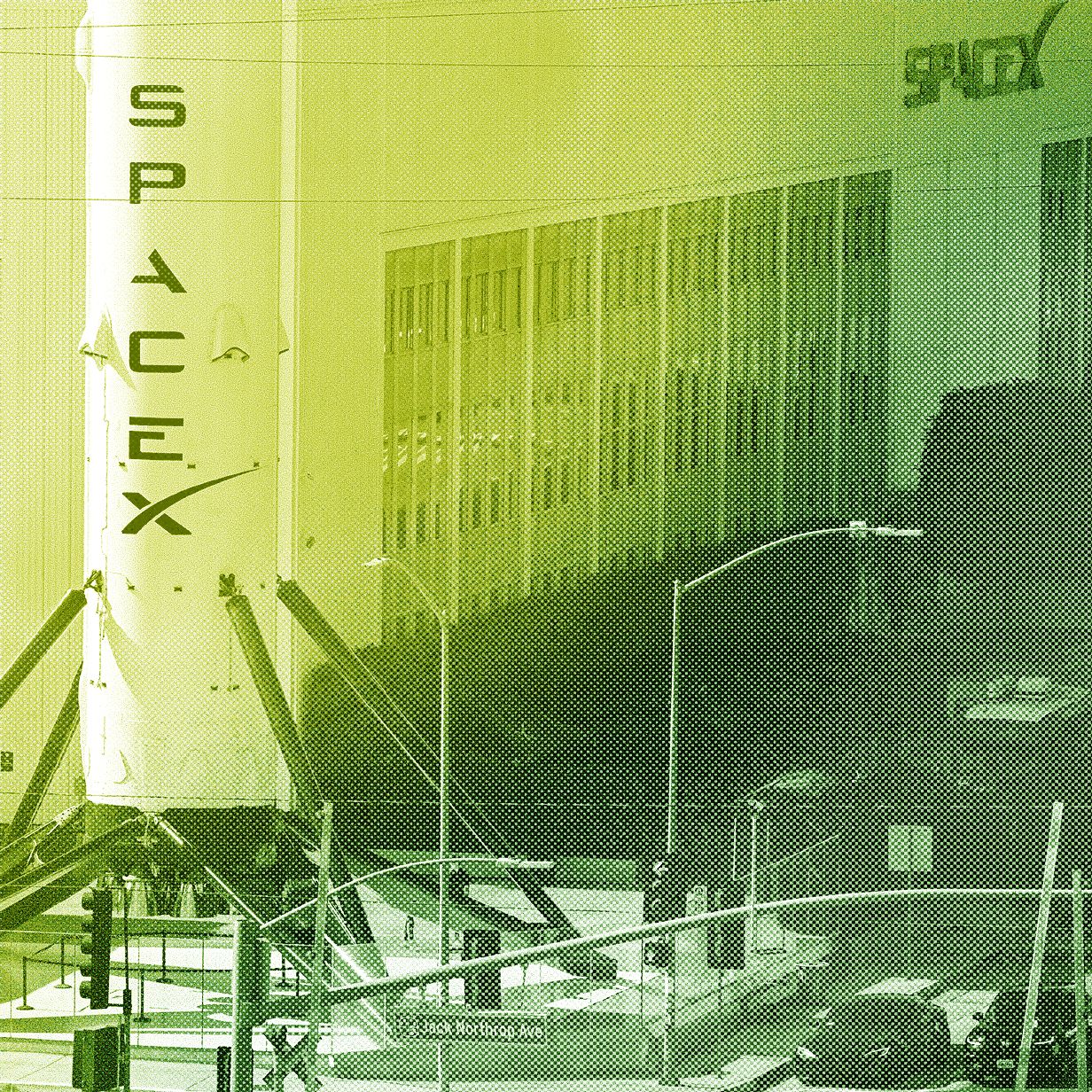
An analysis of SpaceX's potential IPO explores how retail investors might gain exposure to the company through existing financial instruments and indirect ownership structures. The article examines broader trends in space technology investments and accessibility to traditionally private company shares.
SpaceX's path toward going public represents a significant moment for space technology investors, particularly given the company's valuation and market influence. Elon Musk's space venture has long remained private despite substantial funding rounds, creating a gap between public market access and the company's actual market prominence. The article highlights how investors may already hold SpaceX exposure through index funds, venture capital vehicles, or mutual funds that include pre-IPO stakes, a dynamic that demonstrates the blurred lines between private and public equity in modern markets.
The broader context involves institutional appetite for space technology as a secular growth trend. With satellite internet, commercial space stations, and deep space exploration gaining commercial viability, major financial institutions have positioned themselves in SpaceX and competitor funding rounds. This creates an interesting dynamic where institutional investors have maintained significant advantages in accessing high-growth opportunities that retail investors cannot directly purchase.
An IPO would democratize access to SpaceX equity, potentially triggering substantial capital reallocation across financial markets. Retail investors currently excluded from private fundraising rounds would compete for shares at public market prices, which could prove substantially higher than current private valuations. The timing of such an offering remains speculative, but increased regulatory clarity around commercial space activities and government contracts may accelerate IPO preparations.
Investors should monitor regulatory filings and any public statements from SpaceX leadership regarding capital strategy. The company's government contracts, particularly with the Department of Defense and NASA, provide revenue stability that appeals to public market investors seeking exposure to national security and infrastructure themes.
- →Retail investors may already own SpaceX shares indirectly through existing mutual funds and index investments containing pre-IPO stakes
- →Space technology represents a secular growth sector with increasing commercial viability in satellite internet and government contracts
- →An IPO would democratize access to SpaceX equity but likely at valuations substantially higher than current private fundraising rounds
- →SpaceX's government contracts with NASA and the Department of Defense provide revenue diversification beyond commercial ventures
- →Investors should monitor regulatory filings and leadership announcements for IPO timing signals