
SpaceX joins the Nasdaq-100 on July 7, triggering billions in passive fund buying
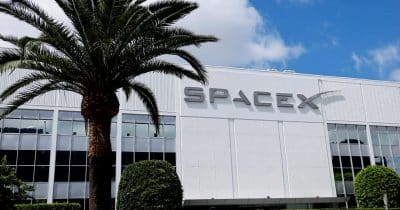
SpaceX's inclusion in the Nasdaq-100 index on July 7 is expected to trigger substantial passive fund inflows as index-tracking funds automatically add the stock to their portfolios. This development reshapes index composition dynamics and introduces new considerations around market concentration and passive investing flows.
SpaceX's addition to the Nasdaq-100 represents a significant milestone for the aerospace and technology sectors, marking the company's formal integration into one of the most widely tracked equity indices. When companies join major indices, passive investment funds—which track these indices automatically—must purchase the stock proportionally, creating substantial buying pressure independent of fundamental analysis. This mechanical process can redirect billions of dollars into SpaceX shares as fund managers rebalance their holdings to match index composition.
The broader context reflects the Nasdaq-100's evolution as a growth-focused benchmark increasingly dominated by technology and innovation-driven companies. SpaceX's inclusion signals confidence in the company's market stability and liquidity profile, qualifying it for institutional passive exposure. The timing aligns with growing investor appetite for space-economy investments and Elon Musk's expanding business portfolio.
For market participants, this event carries dual implications. Passive fund flows typically create predictable buying pressure around index inclusion dates, which some active traders exploit through arbitrage strategies. However, the magnitude of inflows also increases SpaceX's weight in passive portfolios, potentially amplifying its influence on index performance and exposing index-tracking investors to concentrated aerospace sector exposure. The inclusion may also trigger volatility as the market prices in new passive ownership patterns.
Investors should monitor how this capital influx affects SpaceX's stock price stability and whether secondary effects emerge across related sectors. The precedent established may influence future index inclusion criteria and highlight how passive investing mechanisms shape modern market structure.
- →SpaceX's Nasdaq-100 inclusion on July 7 triggers automatic buying from passive index funds tracking the benchmark
- →Index inclusion generates mechanical demand independent of SpaceX's operational performance or fundamental metrics
- →Billions in passive fund inflows may create temporary volatility and arbitrage opportunities for active traders
- →The addition increases SpaceX's weight in passive portfolios, potentially concentrating aerospace sector exposure
- →Index inclusion legitimizes SpaceX's market standing and facilitates broader institutional investor access