
Stanford University deploys Marlowe DGX SuperPOD with 248 Nvidia GPUs for research access
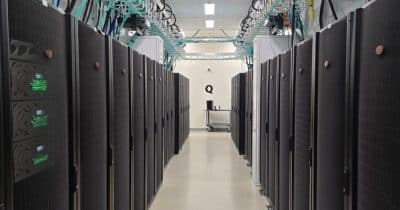
Stanford University has deployed a Marlowe DGX SuperPOD equipped with 248 Nvidia GPUs to support research initiatives, enhancing the institution's computational capabilities and reducing dependence on cloud infrastructure. The deployment signals a broader trend of academic institutions investing in on-premises AI infrastructure to maintain research independence and efficiency.
Stanford's investment in a Marlowe DGX SuperPOD represents a strategic shift in how elite academic institutions approach computational resource allocation. Rather than relying exclusively on cloud providers, Stanford is building internal GPU infrastructure that provides direct control over research workflows and data governance. This move addresses critical pain points for research institutions: cloud costs scale unpredictably with intensive workloads, data sovereignty concerns limit certain research areas, and queue times for shared resources create bottlenecks in collaborative projects. The 248-GPU configuration positions Stanford to handle large-scale AI model training and inference simultaneously across multiple research groups.
This deployment reflects broader ecosystem trends where GPU scarcity and cloud computing costs have pushed organizations toward capital expenditure solutions. The supercomputer serves as both a technical infrastructure upgrade and a statement about institutional priorities—signaling to researchers, students, and funding bodies that Stanford is committed to AI-first research. For the Nvidia ecosystem, this represents validated demand from the world's most prestigious research institutions, providing market validation for enterprise GPU infrastructure deployments.
The precedent Stanford sets carries weight beyond its own campus. Peer institutions observing this deployment may accelerate similar infrastructure investments, potentially creating a new market segment for on-premises supercomputing solutions. Universities with substantial endowments now have a proven model for competing with cloud providers on computational access. This shift could reshape how AI research is conducted in academia, with institutional compute democratizing advanced research access to graduate students and faculty who might otherwise face funding constraints on cloud platforms.
- →Stanford's 248-GPU supercomputer deployment reduces reliance on cloud providers and strengthens research independence
- →On-premises GPU infrastructure addresses cost, sovereignty, and queue-time issues endemic to cloud computing models
- →Academic institutions now have a validated blueprint for significant AI infrastructure investment
- →Nvidia validates strong enterprise demand from elite research institutions seeking internal computational control
- →This trend may reshape AI research accessibility by decentralizing compute resources away from cloud monopolies