
Allegedly trashing Airbnbs to test robots puts startup in legal trouble
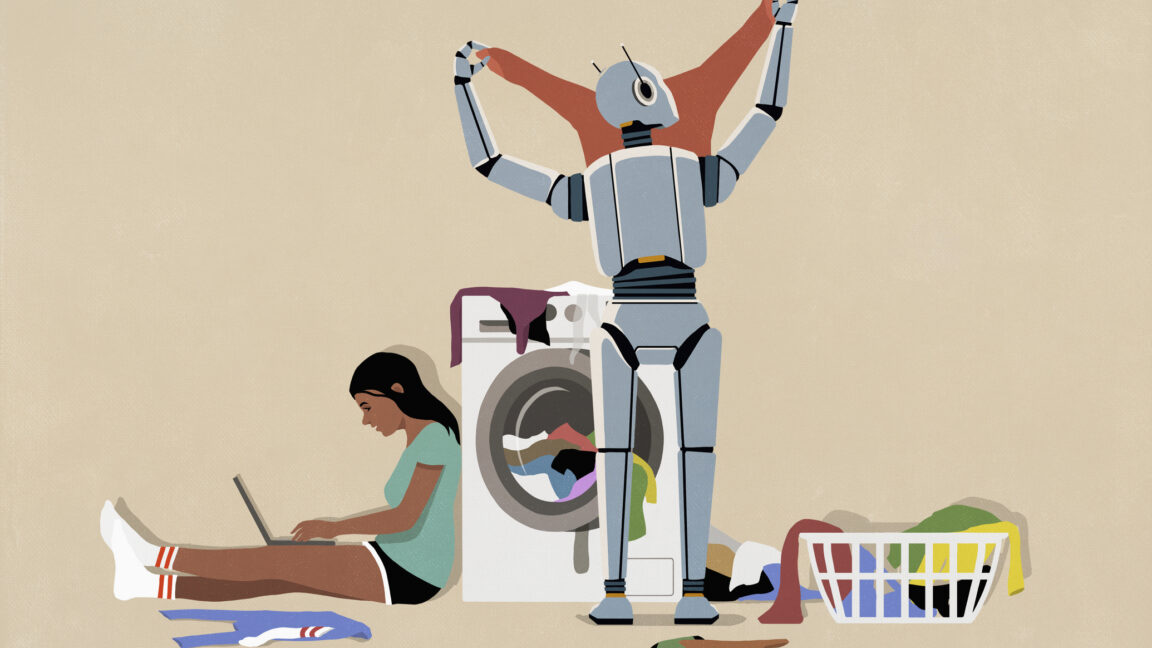
A startup faces a $12,000 lawsuit after allegedly causing significant damage to an Airbnb property during robot testing operations. The incident highlights growing legal and liability concerns as robotics companies conduct real-world tests in residential spaces without adequate safeguards or homeowner consent.
The lawsuit against this robotics startup exposes a critical gap in how emerging AI and robotics companies conduct field testing. As autonomous systems move from laboratories into real-world environments, friction points emerge between innovation timelines and property rights. This case demonstrates that startups cannot treat residential properties as testing grounds without formal agreements, insurance coverage, and explicit damage liability frameworks. The $12,000 claim, while modest in venture capital terms, signals homeowners and platforms like Airbnb are prepared to pursue legal remedies when their property suffers during corporate experiments.
This incident reflects broader tensions in the robotics and AI industry. Companies racing to train and validate autonomous systems often prioritize speed over caution, creating externalities that fall on unsuspecting third parties. Airbnb, as a platform operator, faces reputational risk and potential liability exposure if its properties become known as testing grounds for untested technology. The case establishes precedent that homeowners retain legal recourse regardless of the startup's innovative intentions.
For the robotics industry, this lawsuit raises compliance costs and operational friction. Startups must now budget for proper testing facilities, liability insurance, and formal agreements with property owners. Regulatory bodies may accelerate oversight frameworks to prevent similar incidents. Investors backing robotics companies should factor in these emerging legal costs and governance requirements. Companies demonstrating responsible testing practices—securing dedicated facilities, obtaining proper insurance, and transparently disclosing risks—will likely attract fewer regulatory headwinds and lower insurance premiums.
- →Robotics startups face mounting liability risks when conducting unauthorized testing on residential properties
- →Homeowners and platforms are increasingly willing to pursue legal action against property damage from experimental technology
- →Companies must establish formal agreements, insurance coverage, and dedicated testing facilities to avoid costly litigation
- →Regulatory scrutiny around real-world AI and robotics testing is likely to increase in response to incidents like this
- →Responsible governance and transparency in testing protocols may become competitive advantages for well-capitalized robotics firms