
20,000 sailors stranded amid US-Iran blockade in Strait of Hormuz
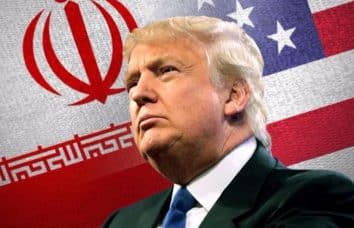
A blockade in the Strait of Hormuz has stranded approximately 20,000 sailors amid escalating US-Iran tensions. The disruption threatens global oil supply chains and exposes vulnerabilities in maritime security infrastructure that could have cascading effects on energy markets and cryptocurrency volatility.
The Strait of Hormuz blockade represents a critical flashpoint in geopolitical tensions that directly impacts global energy infrastructure. Approximately one-third of the world's maritime oil trade transits through this narrow waterway, making any disruption to shipping lanes a systemic risk to global energy markets. The stranding of 20,000 sailors signals an acute humanitarian dimension alongside the economic crisis, with crews trapped on vessels unable to transit through contested waters. This incident exemplifies how geopolitical conflicts can weaponize critical infrastructure, creating ripple effects across multiple economic sectors beyond immediate maritime operations.
Historically, US-Iran tensions have intensified during periods of sanctions and naval posturing, but this blockade escalates the confrontation from diplomatic pressure to active disruption of global commerce. The Strait of Hormuz has long been recognized as a chokepoint vulnerable to conflict; previous incidents including tanker attacks and drone strikes have repeatedly tested international responses. This escalation follows a pattern of tit-for-tat military actions that have gradually eroded maritime security protocols.
The market implications are substantial. Oil prices typically spike during supply chain disruptions, potentially triggering inflation concerns that affect risk asset valuations, including cryptocurrency markets. Bitcoin and other digital assets often move inversely to crude oil during geopolitical crises as investors reassess macro risk. Energy-dependent sectors face immediate cost pressures, while shipping and logistics companies confront route delays and insurance premium increases. Traders monitoring macro catalysts should watch for oil price movements and potential central bank policy responses, as energy inflation feeds broader inflation narratives that influence asset allocation decisions across traditional and digital markets.
- →A US-Iran blockade in the Strait of Hormuz has stranded 20,000 sailors, disrupting approximately one-third of global maritime oil trade.
- →The incident exposes vulnerability in critical maritime infrastructure and creates humanitarian concerns alongside economic disruption.
- →Oil price spikes from supply chain disruptions typically create macro volatility affecting cryptocurrency and risk asset valuations.
- →Energy inflation from shipping disruptions could influence central bank policy responses affecting broader financial markets.
- →The blockade represents escalation beyond previous diplomatic tensions toward active weaponization of critical infrastructure.