
Strait of Hormuz cleared after Iranian attacks on commercial ships
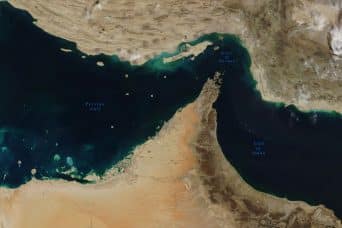
The Strait of Hormuz, a critical chokepoint for global shipping, was cleared following Iranian attacks on commercial vessels. The incident underscores the vulnerability of essential maritime trade routes to geopolitical disruption, with potential implications for energy prices, supply chains, and broader economic stability.
The clearing of the Strait of Hormuz after Iranian military actions represents a significant geopolitical flashpoint with far-reaching economic consequences. This strategic waterway handles approximately one-third of global maritime trade, making any disruption a systemic risk to international commerce. The incident demonstrates how regional tensions can rapidly escalate into threats against critical infrastructure, affecting everything from oil supplies to shipping schedules.
Iranian attacks on commercial shipping reflect escalating tensions in the Persian Gulf region, rooted in broader geopolitical rivalries and sanctions regimes. These actions signal a willingness to weaponize chokepoints, a tactic that has historically preceded energy price spikes and supply chain shocks. The context includes existing US-Iran sanctions, proxy conflicts, and competing maritime interests among regional powers seeking to influence trade flows through the region.
For cryptocurrency and financial markets, maritime disruptions create inflationary pressure through energy cost increases and supply chain delays. Bitcoin and other risk assets typically respond negatively to geopolitical uncertainty in the short term, though inflation-hedging narratives can provide countervailing support. Traditional markets experience immediate impact through energy futures and shipping costs, which eventually transmit to broader economic conditions affecting crypto valuations.
Market participants should monitor escalation indicators and shipping insurance premiums as early warning signals. Sustained disruptions would likely trigger flight-to-safety dynamics, potentially benefiting uncorrelated assets like cryptocurrency while pressuring growth-dependent sectors. Watch for retaliatory actions, diplomatic interventions, and shifts in regional military posture that could either stabilize or further destabilize the shipping corridor.
- →The Strait of Hormuz handles one-third of global maritime trade, making disruptions a systemic economic risk.
- →Iranian attacks on commercial vessels demonstrate weaponization of critical chokepoints in geopolitical conflicts.
- →Shipping disruptions typically drive energy price increases, creating inflationary pressure across markets.
- →Cryptocurrency markets may experience volatility as geopolitical uncertainty affects broader economic conditions.
- →Shipping insurance premiums and oil futures serve as leading indicators for escalation in the region.