
Strait of Hormuz closure threatens global oil supply amid Iran-US tensions
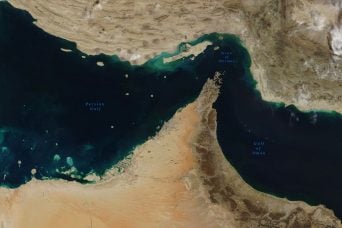
Potential closure of the Strait of Hormuz amid Iran-US tensions threatens to disrupt global oil supply, risking significant price increases and geopolitical instability. This energy crisis could have cascading effects on macroeconomic conditions that influence cryptocurrency and digital asset markets.
The Strait of Hormuz serves as one of the world's most critical chokepoints for energy transit, with approximately 21% of global petroleum passing through its waters daily. Any disruption to this waterway creates immediate supply shocks that reverberate across global markets. The current Iran-US tensions elevate the risk of closure, whether through intentional blockade or military escalation, creating genuine uncertainty about energy availability and pricing.
Historically, geopolitical crises affecting oil supply have triggered significant macroeconomic consequences. Oil price spikes reduce consumer spending power, increase inflation expectations, and force central banks into difficult monetary policy decisions. These conditions typically create headwinds for risk assets, including cryptocurrencies, which tend to correlate with broader market sentiment during periods of economic stress.
For crypto markets specifically, energy supply shocks carry dual implications. Higher oil prices increase operational costs for miners and blockchain validators, potentially reducing profitability margins. Simultaneously, geopolitical uncertainty often drives investors toward alternative assets, though Bitcoin's historical performance during energy crises shows mixed results depending on whether markets view it as inflation hedge versus risk-off asset.
Market participants should monitor escalation indicators and OPEC responses to any supply disruption. Saudi Arabia and other Gulf producers may attempt to offset Iranian supply losses, but production capacity constraints exist. The coming weeks will reveal whether tensions ease or intensify, with energy futures markets already pricing in risk premiums that could significantly impact broader economic conditions and cryptocurrency valuations.
- →Strait of Hormuz closure would disrupt roughly 21% of global petroleum supply, triggering immediate price spikes.
- →Oil price increases typically reduce consumer spending and increase inflation, creating headwinds for risk assets including crypto.
- →Mining and blockchain operation costs rise with energy prices, potentially compressing validator and miner profitability.
- →Geopolitical uncertainty can drive asset allocation shifts, though crypto's direction during such crises remains unpredictable.
- →OPEC spare capacity and strategic reserves will be critical in determining severity and duration of any supply disruption.