
Strait of Hormuz disruption risks global energy supply shock amid tensions
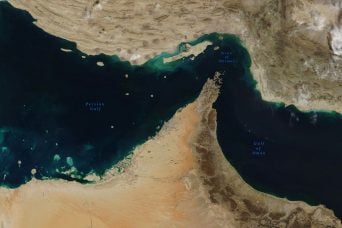
Potential disruptions in the Strait of Hormuz, a critical global chokepoint for oil transit, threaten to create an energy supply shock with cascading effects on fuel prices and market volatility. Such disruptions carry significant implications for energy markets and broader economic stability amid regional tensions.
The Strait of Hormuz represents one of the world's most strategically vital energy corridors, with approximately one-third of global seaborne oil passing through its narrow passage daily. Any prolonged disruption carries exponential consequences for global energy markets, which remain fundamentally linked to cryptocurrency valuations and macro risk sentiment. Geopolitical tensions in the region create genuine supply-side risks that historically trigger flight-to-safety behavior across asset classes, including both traditional commodities and digital assets.
Energy price shocks directly influence inflation expectations and central bank policy responses, creating secondary effects on interest rates and capital flows. Cryptocurrency markets, particularly Bitcoin and Ethereum, often respond negatively to stagflationary scenarios driven by supply constraints on critical resources. The correlation between energy crises and macro uncertainty typically increases volatility across risk assets, including digital currencies.
For crypto investors and institutional participants, Strait of Hormuz disruptions function as macro indicators signaling potential economic stress and heightened uncertainty premiums. Energy-intensive proof-of-work networks face operational cost pressures during periods of elevated fuel prices, though this varies significantly by regional energy mix. Market participants should monitor crude oil futures and geopolitical headlines as leading indicators for broader market volatility.
Looking forward, investors should track shipping reports, tanker traffic data, and regional diplomatic developments as early warning signals. Any actual disruption would likely trigger sharp oil price movements with spillover effects across correlated asset classes, including cryptocurrency markets where macro sensitivity has increased substantially.
- →The Strait of Hormuz carries approximately one-third of global seaborne oil, making disruptions a systemic economic risk.
- →Energy supply shocks typically increase inflation expectations and create negative correlation pressure on risk assets including crypto.
- →Geopolitical tensions create genuine supply-side risks that trigger flight-to-safety behavior and heightened volatility.
- →Prolonged disruptions would increase operational costs for energy-intensive blockchain networks globally.
- →Crude oil futures and shipping data serve as leading indicators for broader market stress and crypto volatility.