
UKMTO warns of increased naval activity in Strait of Hormuz amid US-Iran tensions
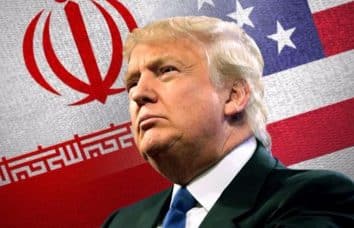
The UK Maritime Trade Operations (UKMTO) has issued warnings about escalating naval activities in the Strait of Hormuz amid deteriorating US-Iran relations. This geopolitical tension threatens to disrupt critical global oil transit routes, with potential consequences for energy prices and broader economic stability that could ripple through cryptocurrency and financial markets.
The Strait of Hormuz represents one of the world's most critical chokepoints for global energy commerce, with approximately 21% of petroleum passing through its waters daily. Increased military posturing by US and Iranian naval forces creates genuine risks of accidental or intentional disruptions to shipping lanes, directly impacting oil supply and pricing mechanisms that influence macroeconomic conditions worldwide.
Historically, geopolitical tensions in this region have triggered commodity price spikes and market volatility. Previous incidents, including the 2019 tanker attacks and 2020 assassination of Iranian General Soleimani, demonstrated how Middle Eastern instability can cascade through global markets. The current escalation builds on years of deteriorating diplomatic relations, sanctions regimes, and proxy conflicts between the US and Iran, creating a volatile backdrop for energy markets.
For cryptocurrency investors and traders, this development matters significantly. Oil price shocks traditionally correlate with inflation expectations, central bank policy responses, and risk-asset sentiment—all factors influencing Bitcoin and broader crypto valuations. Periods of geopolitical uncertainty often drive capital toward safe-haven assets, though crypto's role as a hedge remains contested. Elevated oil prices could also trigger stagflationary conditions, pressuring equity valuations and potentially benefiting defensive crypto positioning.
Market participants should monitor shipping insurance premiums, crude oil futures, and official statements from both US and Iranian authorities. Any actual military engagement or shipping disruptions would constitute a black-swan event with immediate consequences for energy derivatives and broader risk asset repricing.
- →Strait of Hormuz disruptions threaten 21% of global daily petroleum transit, directly impacting energy prices and macroeconomic stability
- →Historical precedent shows Middle Eastern naval tensions trigger commodity volatility and broader market repricing across asset classes
- →Oil price shocks influence inflation expectations and central bank policy, creating secondary effects on cryptocurrency valuations
- →Geopolitical risk premiums may redirect capital flows toward safe-haven assets including Bitcoin during prolonged tensions
- →Escalating military activity increases shipping insurance costs and supply chain uncertainty affecting global economic growth forecasts