
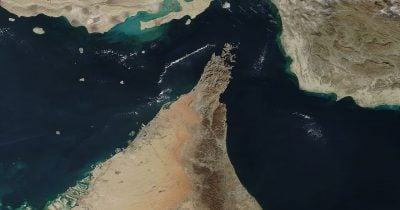
The Strait of Hormuz has reopened, potentially stabilizing global oil markets and easing geopolitical tensions in a critical chokepoint. This development may influence OPEC production strategies, though long-term market impacts remain unclear amid broader macroeconomic uncertainty.
The reopening of the Strait of Hormuz represents a significant development in global energy infrastructure, as this waterway serves as a critical chokepoint through which approximately one-third of seaborne oil passes daily. The restoration of unimpeded transit through this strategic corridor directly impacts oil supply reliability and pricing dynamics. Energy markets have been vulnerable to disruption risks in this region, with any blockade threatening global energy security and triggering price volatility across commodities and equities.
Geopolitical tensions in the Middle East have periodically threatened strait access, creating uncertainty for oil producers and consumers alike. Previous incidents and threats of closure have historically spiked crude prices and created contagion effects across risk assets, including cryptocurrency markets that often move inversely to traditional safe-haven assets. The reopening signals de-escalation and reduced supply-shock risk, fundamentally altering the geopolitical risk premium embedded in commodity prices.
For cryptocurrency markets, stable and predictable oil prices reduce macro hedging pressures and inflation concerns that typically drive crypto adoption as alternative stores of value. Lower energy costs also benefit blockchain network operations and data centers. However, stabilized oil markets could strengthen the U.S. dollar and traditional risk-on sentiment, potentially redirecting capital away from alternative assets. OPEC members may recalibrate production targets based on renewed supply confidence, further influencing price trajectories.
The critical variable ahead involves whether this reopening remains sustained or faces renewed disruption. Market participants should monitor regional geopolitical developments, OPEC communications regarding production adjustments, and crude price stabilization patterns to assess whether this relief translates into lasting macro stability or represents a temporary reprieve.
- →Strait of Hormuz reopening reduces acute oil supply disruption risks and associated geopolitical risk premiums.
- →Stable energy prices may strengthen the U.S. dollar, potentially reducing cryptocurrency safe-haven demand.
- →OPEC production strategies will likely adjust based on improved supply confidence and reduced shortage concerns.
- →Blockchain and cryptocurrency operational costs benefit from lower energy prices, improving network efficiency.
- →Sustained geopolitical stability in the region remains critical to maintaining this positive market development.