
Tanker attack near Fujairah heightens Strait of Hormuz tensions
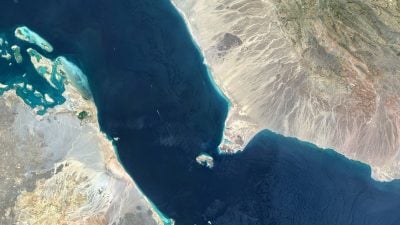
A tanker attack near Fujairah in the Strait of Hormuz escalates regional tensions, threatening one of the world's most critical energy chokepoints. This geopolitical risk could disrupt global oil supplies and create macroeconomic volatility that reverberates across crypto and traditional markets.
The Strait of Hormuz remains one of the most strategically vital waterways globally, with approximately one-third of all seaborne traded oil passing through its narrow passages. Any disruption to this corridor triggers immediate concerns about energy price spikes, supply chain fractures, and broader economic instability. The tanker attack near Fujairah signals renewed hostilities in a region already characterized by complex geopolitical rivalries and proxy conflicts.
This incident reflects ongoing tensions between regional powers competing for influence and control over energy infrastructure. Previous incidents in the Strait have demonstrated the fragility of global energy systems and the willingness of state and non-state actors to weaponize trade routes. The pattern of attacks underscores how quickly maritime incidents can escalate into full-scale energy crises.
For cryptocurrency and financial markets, geopolitical shocks typically trigger flight-to-safety dynamics. Rising oil prices create inflationary pressures that affect central bank monetary policy, which in turn influences risk asset valuations including crypto. Investors monitor such events as leading indicators for macroeconomic stress, portfolio rebalancing, and potential market volatility. Historical precedent shows energy disruptions correlate with increased Bitcoin volatility as traders hedge against currency debasement and economic uncertainty.
Market participants should track developments in the Strait closely, including insurance premiums for tanker transit, oil futures curves, and official responses from major consuming nations. Escalation could trigger hedge fund repositioning, increased volatility in energy-linked assets, and broader risk-off sentiment affecting cryptocurrency valuations.
- →Tanker attack near Fujairah escalates Strait of Hormuz tensions, threatening one-third of global seaborne oil trade
- →Energy supply disruptions historically trigger macroeconomic volatility that cascades into crypto and financial markets
- →Geopolitical shocks typically create flight-to-safety dynamics, affecting risk asset valuations and Bitcoin correlation patterns
- →Rising oil prices from supply concerns amplify inflationary pressures that influence central bank policy and asset markets
- →Investors should monitor insurance premiums, oil futures, and official geopolitical responses as leading indicators of market impact