
South Korea condemns attack on vessel amid Strait of Hormuz tensions
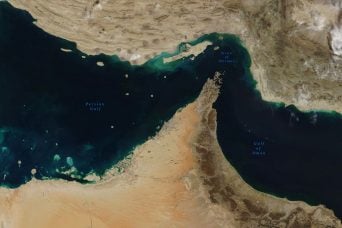
South Korea has condemned an attack on a vessel in the Strait of Hormuz, highlighting escalating regional tensions that threaten global energy security. The incident underscores geopolitical risks that could disrupt oil markets and complicate diplomatic efforts in one of the world's most critical shipping routes.
The attack on a vessel in the Strait of Hormuz represents a critical escalation in regional tensions that extends far beyond maritime security concerns. This waterway, through which approximately one-third of global seaborne oil trades, remains one of the most strategically important chokepoints in international commerce. When military incidents occur in this region, they create immediate ripple effects across energy markets and broader economic stability. South Korea's formal condemnation signals diplomatic pressure and reflects growing concern among nations dependent on stable energy supplies.
Historically, the Strait of Hormuz has been a flashpoint for geopolitical confrontation between regional powers and their international partners. Recent years have witnessed multiple incidents involving vessel attacks, seizures, and military posturing that have gradually normalized tensions in the region. These events reflect deeper strategic competitions and proxy conflicts that show no immediate signs of resolution. The pattern of incidents suggests a deteriorating security environment rather than isolated occurrences.
For cryptocurrency and digital asset markets, geopolitical instability affecting oil prices carries significant implications. Energy costs influence mining profitability, transaction fees, and broader macroeconomic conditions that affect risk appetite for alternative assets. Oil price volatility driven by Middle East tensions typically correlates with flight-to-safety dynamics that can benefit defensive cryptocurrencies like Bitcoin. However, severe supply disruptions could trigger broader economic stress that pressures all risk assets.
Moving forward, investors should monitor escalation indicators including shipping incidents, insurance premiums for vessels transiting the Strait, and official statements from major oil-consuming nations. Any sustained disruption to oil flows could trigger volatility across energy and cryptocurrency markets simultaneously.
- →Strait of Hormuz tensions threaten approximately one-third of global seaborne oil trade and regional stability.
- →Escalating vessel attacks signal deteriorating security conditions beyond isolated incidents.
- →Oil price volatility from geopolitical instability affects crypto mining costs and market sentiment.
- →Energy supply concerns typically benefit defensive assets like Bitcoin during risk-off periods.
- →Shipping insurance premiums and official government responses are key indicators to watch for further escalation.