
CBS report shows continued US blockade, IRGC control in Strait of Hormuz
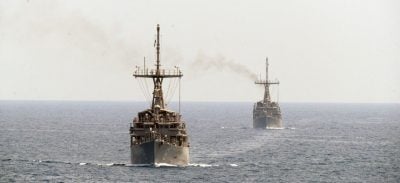
The Strait of Hormuz faces escalating geopolitical tensions involving US military presence and Iranian Revolutionary Guard Corps control, creating instability in one of the world's most critical maritime trade corridors. These developments pose risks to global energy supplies and trade routes, with potential ripple effects across international markets.
The Strait of Hormuz represents one of the most strategically critical chokepoints in global commerce, with approximately 20-30% of world oil passing through its waters daily. Ongoing tensions between US naval forces and Iranian-controlled maritime operations create a volatile situation that threatens energy price stability and supply chain reliability worldwide. This geopolitical friction directly impacts macroeconomic conditions that influence cryptocurrency and digital asset valuations, as energy costs and global economic uncertainty typically drive investors toward alternative assets or increased risk aversion.
Historically, confrontations in the Strait have escalated sporadically since 2019, when tensions intensified following US sanctions on Iran's oil exports. The presence of US military assets and IRGC operational control creates competing spheres of influence that complicate shipping insurance, navigation routes, and energy pricing mechanisms. Each escalation reduces predictability in global markets and increases insurance premiums for transiting vessels.
For cryptocurrency investors and traders, geopolitical crises of this magnitude influence broader market sentiment and macroeconomic policy responses. If tensions restrict oil flows, energy costs rise globally, potentially triggering inflationary pressures and central bank interventions that affect cryptocurrency volatility. Institutional investors often hedge geopolitical risk through digital assets, potentially creating buying pressure during acute crises.
Market participants should monitor shipping disruption reports, oil price movements, and official statements from both parties for escalation signals. Any significant blockade affecting energy supplies could trigger flight-to-safety behavior across traditional and digital asset classes. Ongoing diplomatic efforts remain critical to preventing supply chain disruptions that would amplify macroeconomic uncertainty.
- →The Strait of Hormuz tension threatens global energy supplies and trade flow predictability
- →Geopolitical crises typically increase macroeconomic uncertainty, influencing cryptocurrency market sentiment
- →Rising energy costs from supply disruptions could trigger inflationary pressures affecting crypto valuations
- →Institutional investors may increase digital asset allocation as geopolitical risk hedges
- →Monitoring shipping reports and oil prices provides early indicators of market impact severity