
Strait of Hormuz traffic halted despite Iran’s open passage claim
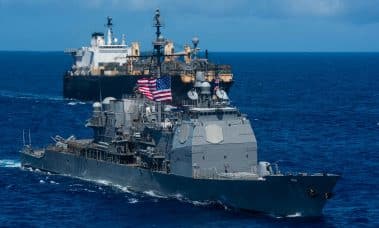
Shipping traffic through the Strait of Hormuz has halted despite Iranian claims of maintaining open passage, signaling escalating geopolitical tensions. The disruption threatens global oil supply stability and could trigger price volatility affecting cryptocurrency markets sensitive to macroeconomic conditions.
The Strait of Hormuz blockade represents a critical juncture in Middle Eastern geopolitics with cascading implications for global energy markets. As one of the world's most strategically important waterways, handling approximately one-third of seaborne traded oil, any disruption to passage creates immediate supply chain concerns. The disconnect between Iran's official stance on maintaining open passage and the actual halted traffic suggests either miscommunication or deliberate posturing, both indicating heightened regional instability.
This situation emerges within a broader context of US-Iran tensions, regional proxy conflicts, and maritime security challenges that have periodically disrupted the Strait. Historical precedent shows such disruptions correlate with oil price spikes, which ripple through global markets as investors reassess macroeconomic outlooks. Energy prices and geopolitical risk premiums directly influence inflation expectations and central bank policy responses, factors that traditionally move cryptocurrency markets inversely during risk-off periods.
For digital asset investors, Strait of Hormuz disruptions warrant attention as potential catalysts for broader market shifts. Oil price spikes historically trigger flight-to-safety dynamics that can suppress risk asset valuations, including cryptocurrencies. However, some investors view commodity supply shocks as inflationary pressures supporting longer-term crypto narratives around hard money and inflation hedging. Market participants should monitor this situation's resolution timeline, as extended disruptions could create sustained macro headwinds affecting risk appetite across all asset classes.
Watch for developments in regional diplomacy, insurance premium changes for transiting vessels, and corresponding oil futures movements as key indicators of whether this becomes a prolonged supply constraint or brief geopolitical episode.
- →Strait of Hormuz traffic halted despite Iran's claims of open passage, intensifying geopolitical risk
- →Disruption threatens approximately one-third of global seaborne oil trade with potential price spike implications
- →Energy price volatility from supply concerns can trigger macroeconomic shifts affecting cryptocurrency market sentiment
- →Risk-off dynamics during geopolitical crises historically correlate with reduced appetite for digital assets
- →Extended blockade could create sustained inflation pressures affecting central bank policies and crypto valuations