
Stratos data center project slashed 50% after massive local protests in Utah
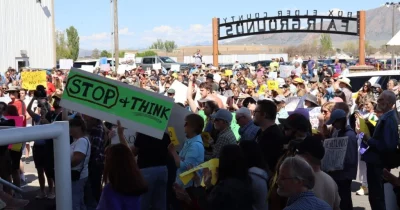
Stratos' data center project in Utah has been reduced by 50% following significant local community protests, driven by environmental and resource consumption concerns. The outcome demonstrates how grassroots opposition can materially reshape cryptocurrency infrastructure investment strategies and project scope.
The Stratos data center reduction reflects a critical tension in cryptocurrency infrastructure development. Large-scale crypto operations require substantial energy and water resources, making them susceptible to community backlash in resource-constrained regions. Utah's protests signal that local populations increasingly view crypto projects as competing directly with residential and agricultural water needs, particularly in drought-prone areas. This project scaling represents not merely a setback for Stratos but evidence of evolving social licensing requirements for digital asset infrastructure.
Historically, crypto mining and data centers faced minimal community scrutiny outside China's regulatory crackdowns. However, climate awareness and resource scarcity concerns have elevated environmental impact as a primary investment consideration. Multiple blockchain projects have encountered similar resistance in North America and Europe, forcing operators to either relocate, reduce scale, or invest heavily in renewable energy infrastructure to gain community acceptance.
The market implication extends beyond Stratos' operations. For investors and developers, the message is clear: project approval timelines and final viability now depend substantially on environmental credentials and community engagement strategies. Mining-related stocks and infrastructure plays may face valuation pressure if environmental concerns constrain expansion opportunities across multiple jurisdictions simultaneously.
Looking forward, successful crypto infrastructure projects will likely require upfront renewable energy commitments, transparent water usage reporting, and community benefit agreements. The trend suggests that operational costs for new data centers will increase as environmental compliance becomes non-negotiable. Projects demonstrating strong sustainability practices may gain competitive advantages through faster permitting and reduced opposition.
- →Community environmental protests are now material risks affecting cryptocurrency infrastructure project viability and scope.
- →Water scarcity and energy consumption concerns are reshaping investment strategies for major blockchain data centers.
- →Future crypto infrastructure projects will require renewable energy commitments and community engagement to gain approval.
- →The Stratos reduction demonstrates that local opposition can force 50% project reductions despite significant capital investment.
- →Environmental compliance is becoming a core operational cost for cryptocurrency infrastructure developers seeking regulatory acceptance.