
Team Liquid faces decline after early exit from IEM Cologne Major
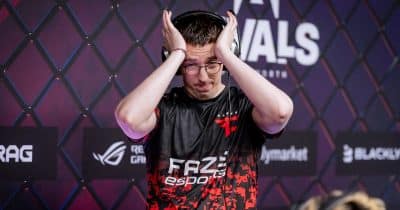
Team Liquid's early elimination from the IEM Cologne Major esports tournament signals a competitive decline in the CS2 competitive landscape. The team's performance failure underscores the need for strategic restructuring to maintain relevance in an increasingly competitive environment.
Team Liquid's premature exit from a major Counter-Strike 2 championship represents a significant moment in professional esports competition. The organization, historically a powerhouse in competitive gaming, faces mounting pressure as the CS2 scene becomes increasingly saturated with well-funded, strategically coordinated rosters. This tournament result suggests systemic issues beyond temporary performance fluctuations—potentially indicating roster chemistry problems, strategic stagnation, or inadequate adaptation to evolving meta-game requirements.
The broader context reveals a shifting competitive hierarchy within professional CS2. Teams with stronger institutional support, coaching infrastructure, and player development programs have gained advantages. Team Liquid's early elimination reflects the reality that legacy status alone no longer guarantees tournament success. Other organizations have invested heavily in talent acquisition and analytical frameworks, creating formidable competition that demands continuous innovation.
For stakeholders invested in esports organizations and their associated cryptocurrency or gaming ecosystems, Team Liquid's decline raises questions about organizational management and competitive sustainability. Investors closely monitor such performance metrics as indicators of organizational health and future revenue potential through sponsorships, media rights, and tournament earnings.
Looking forward, the critical question becomes whether Team Liquid will implement meaningful strategic reforms or continue declining. Market observers should monitor roster changes, coaching staff modifications, and team restructuring announcements. The team's ability to recalibrate strategically will determine whether this represents a temporary setback or the beginning of a longer competitive downturn.
- →Team Liquid's early IEM Cologne exit indicates deeper competitive and strategic issues requiring organizational restructuring.
- →The CS2 competitive landscape has become more challenging with better-funded rosters and improved team infrastructure across the scene.
- →Legacy status and historical success no longer guarantee tournament competitiveness in modern professional esports.
- →Investor confidence in esports organizations depends on consistent tournament performance and competitive adaptability.
- →Organizational decisions regarding roster composition and coaching staff will be critical indicators of Team Liquid's strategic direction.