
Flights resume at Tehran’s Imam Khomeini Airport amid Iran-Israel conflict
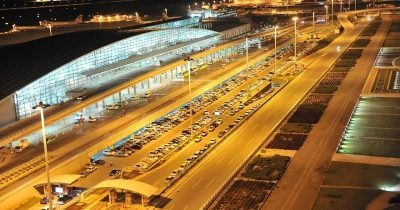
Tehran's Imam Khomeini Airport has resumed flight operations, signaling a potential de-escalation in Iran-Israel regional tensions. The resumption is expected to restore market confidence and improve sentiment toward assets sensitive to Middle Eastern geopolitical risk, including oil prices and risk-on cryptocurrencies.
The resumption of flights at Tehran's primary international airport marks a tactical shift in the Iran-Israel conflict dynamics. When major transportation hubs shut down, it typically indicates elevated military risk or imminent escalation. The reopening suggests either a diplomatic breakthrough, a pause in hostilities, or confidence from Iranian authorities that immediate threats have diminished. This operational normalization carries outsized importance because it directly influences market psychology around geopolitical risk premiums.
The broader context involves months of escalating tensions between Iran and Israel, which have periodically disrupted Middle Eastern markets and created volatility across commodities and risk assets. Previous airport closures and military actions triggered flight cancellations affecting global trade routes and energy markets. The current resumption follows a pattern where each de-escalation signal typically reduces safe-haven demand and encourages risk-on positioning in equities and cryptocurrencies.
For crypto and broader financial markets, geopolitical risk in the Middle East functions as a volatility amplifier. During high-tension periods, investors rotate toward traditional safe havens like gold and US Treasury bonds, potentially dampening demand for risk assets including cryptocurrencies. Conversely, de-escalation signals can trigger reallocation flows back into higher-yielding and more volatile assets. Oil price expectations also shift with airport operations data—normalization suggests reduced supply disruption fears, potentially compressing energy costs that affect mining profitability for proof-of-work cryptocurrencies.
Monitoring comes next. Watch for whether the resumption sustains or proves temporary; sustained normalization would reinforce bullish sentiment, while renewed closures would reverse gains quickly. Regional diplomatic announcements and oil market behavior will provide the clearest indicators of actual geopolitical trajectory.
- →Airport resumption signals potential de-escalation in Iran-Israel tensions rather than continued military escalation.
- →Geopolitical risk reduction typically triggers risk-on flows, benefiting cryptocurrencies and equities over safe-haven assets.
- →Oil price expectations shift with Middle Eastern stability signals, indirectly affecting crypto mining economics.
- →Market confidence restoration depends on whether flight operations sustain or prove temporary.
- →Sustained normalization would likely compress geopolitical risk premiums across global markets.