
Tehran healthcare collapse amid US-Israel strikes sparks airspace closure fears
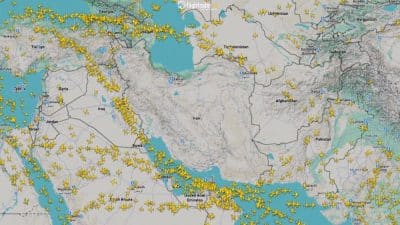
Escalating military strikes on Tehran have triggered healthcare system collapse and raised concerns about potential airspace closures, creating regional instability that could reverberate through global markets. The crisis threatens international supply chains and may prompt diplomatic interventions that could affect geopolitical risk premiums across asset classes.
The deterioration of Tehran's healthcare infrastructure amid military conflict represents a critical flashpoint for regional destabilization. When essential services collapse during geopolitical crises, markets typically respond by repricing risk across multiple asset classes. The potential for airspace closures would disrupt Middle Eastern logistics corridors, historically a significant concern for global trade and energy markets. Cryptocurrency markets, which trade 24/7 without geographic boundaries, often serve as hedging instruments during such crises as investors seek assets uncorrelated to traditional geopolitical risk.
This situation builds on years of escalating tensions in the region, where military actions have previously triggered market volatility spikes. The healthcare collapse signals a humanitarian dimension to the conflict that often accelerates international diplomatic pressure, potentially leading to swift policy changes or sanctions adjustments. Previous Middle Eastern conflicts have demonstrated that geopolitical uncertainty drives flight-to-safety behavior, typically benefiting safe-haven assets including certain cryptocurrencies and precious metals.
For market participants, the immediate concern is volatility. Energy prices, already sensitive to Middle East news, could face upward pressure if airspace restrictions limit shipping routes. This creates downstream effects on global inflation expectations, which inversely correlate with risk asset valuations including digital assets. The diplomatic intervention phase becomes critical—rapid de-escalation typically triggers sharp reversals in safety premiums, while prolonged crisis management suggests sustained elevation in geopolitical risk pricing. Investors should monitor announcements regarding airspace status and international diplomatic initiatives as key indicators of market direction.
- →Tehran healthcare collapse signals potential region-wide instability with ripple effects across global markets
- →Airspace closure threats could disrupt Middle Eastern trade corridors and energy logistics
- →Geopolitical crises historically drive flight-to-safety behavior favoring uncorrelated assets like cryptocurrency
- →International diplomatic interventions will serve as key indicators for market risk repricing
- →Energy market volatility may accelerate if regional infrastructure continues deteriorating