
Pavel Durov announces Telegram is taking over TON blockchain, becoming its largest validator
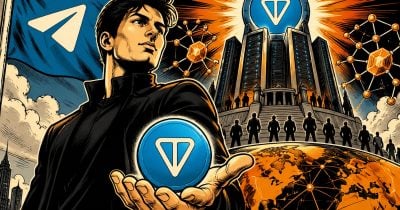
Pavel Durov announced that Telegram will become the largest validator on the TON blockchain, giving the messaging platform significant control over the network's governance. This move raises concerns about blockchain decentralization and could reshape investor confidence in TON's independence from corporate influence.
Telegram's decision to become TON's largest validator represents a pivotal moment for the blockchain project, which has long existed in the shadow of its parent company's massive user base. The announcement signals a deepening integration between the messaging platform and its blockchain initiative, potentially accelerating TON's development but at the cost of decentralization principles that underpin cryptocurrency networks. This move matters because validators play a crucial role in confirming transactions and securing the network—dominant validator control concentrates power in fewer hands.
TON's history explains this development. Launched by Telegram founders in 2019 but abandoned by them, the project was later revived by the community. Telegram's renewed involvement suggests confidence in the blockchain's viability, though it contradicts the decentralized ethos that blockchain advocates prioritize. The broader cryptocurrency market has witnessed similar tensions, where projects balance corporate resources against decentralization concerns.
For investors and developers, this creates complex implications. Telegram's resources could accelerate TON adoption and infrastructure development, potentially benefiting token holders. However, concentrated validator power introduces governance risks—Telegram could theoretically influence protocol decisions unilaterally. Institutional investors may question whether TON remains a true decentralized network or has become a company-controlled blockchain. Users face reduced censorship resistance if Telegram faces regulatory pressure.
Moving forward, stakeholders should monitor whether additional validators emerge to counterbalance Telegram's influence and whether the network implements checks on validator power. The success of this arrangement depends on Telegram demonstrating commitment to TON's long-term decentralization rather than using validator control to extract value from the ecosystem.
- →Telegram becoming TON's largest validator concentrates network governance power, contradicting blockchain decentralization principles.
- →The move reflects Telegram's renewed commitment to TON but raises concerns about corporate influence over protocol decisions.
- →Investor confidence hinges on whether decentralization safeguards emerge to balance Telegram's validator control.
- →Centralized validator control introduces governance and censorship-resistance risks for TON users.
- →TON's development may accelerate under Telegram's resources, but at the expense of distributed network independence.