
Tesla’s humanoid robot costs $55K to build, with $21K just for the legs
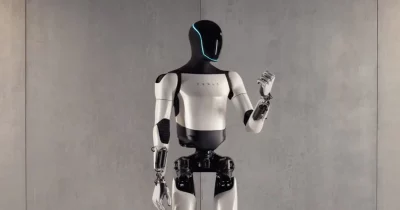
Tesla's humanoid robot Optimus has a manufacturing cost of $55,000, with legs accounting for $21,000 of that expense. This cost structure reveals the significant engineering and manufacturing challenges facing the robotics industry as companies attempt to develop commercially viable humanoid robots at scale.
Tesla's cost breakdown for the Optimus humanoid robot exposes a critical tension in the robotics industry: the gap between engineering capability and economic viability. With legs representing 38% of total manufacturing cost, the data demonstrates how locomotion remains one of the most expensive and complex components in humanoid robotics. This is not surprising given that bipedal locomotion requires sophisticated actuators, sensors, structural materials, and control systems—all of which must function reliably in dynamic environments.
The $55,000 manufacturing cost provides crucial context for understanding why humanoid robots remain primarily in development rather than mass production. For comparison, this exceeds the average cost of a new vehicle in many markets, yet offers fundamentally different utility. Tesla's willingness to disclose these costs signals confidence in future cost reduction through manufacturing optimization and economies of scale, a pattern the company has successfully executed with electric vehicles.
For the broader industry, this cost structure raises important questions about market adoption timelines. Businesses considering robotic automation must weigh $55,000+ upfront costs against labor savings and productivity gains. The robotics sector faces pressure to achieve cost parity with skilled human workers within 3-5 years to justify widespread deployment. Success requires not just engineering breakthroughs but also manufacturing process innovations.
Looking ahead, the critical metric to monitor is cost-per-unit reduction through production scaling. If Tesla can achieve the manufacturing efficiency gains seen with Tesla vehicles, Optimus could transition from luxury industrial tool to mainstream workplace automation within this decade. The robotics industry's trajectory depends on solving this cost equation.
- →Tesla's Optimus robot costs $55,000 to manufacture, with leg assembly representing 38% of total expenses.
- →Humanoid robot costs currently exceed economic viability for most commercial applications, limiting near-term market adoption.
- →Leg and locomotion systems are the most expensive components in humanoid robotics, indicating where engineering improvements are most critical.
- →Manufacturing cost reduction through production scaling will determine whether humanoid robots achieve mainstream workplace deployment.
- →Tesla's transparent cost disclosure suggests confidence in future price reductions similar to patterns achieved with electric vehicles.