
Treasury designates network facilitating Iranian LPG smuggling to Asia
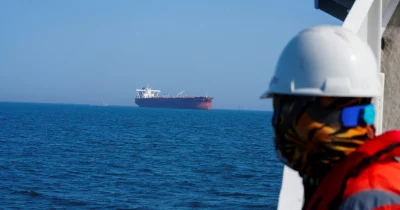
The U.S. Treasury has designated a network involved in facilitating Iranian LPG (liquefied petroleum gas) smuggling to Asia, escalating enforcement actions against illicit energy trade. This designation reflects heightened global scrutiny of sanctions evasion and illicit financial networks, with implications for international compliance standards and energy market dynamics.
The Treasury's designation of an Iranian LPG smuggling network represents a significant enforcement action targeting sanctions evasion mechanisms. Iran has long sought alternative channels to monetize energy exports despite international sanctions, and LPG represents a particularly valuable commodity given global energy demands. This action demonstrates the U.S. government's expanding focus on disrupting the financial and logistical infrastructure that enables illicit trade, moving beyond traditional banking systems to include maritime and trading networks.
The enforcement action occurs within a broader context of geopolitical tension and evolving sanctions architecture. As conventional oil and gas export channels face restrictions, Iran and its trading partners have developed sophisticated networks using transshipment hubs, shell companies, and cryptocurrency or alternative payment systems to obscure transaction flows. The Treasury's intervention signals renewed commitment to identifying and dismantling these networks, potentially forcing participants to seek even more opaque methods or face compliance risks.
For market participants and investors, this designation carries dual implications. Energy traders and financial institutions face increased regulatory scrutiny when conducting transactions in affected jurisdictions or with designated entities. Cryptocurrency markets may experience temporary volatility if the network utilized digital assets for settlement, though the limited details provided prevent specific assessment. Compliance costs for legitimate businesses operating in energy-adjacent sectors will likely increase as institutions implement enhanced due diligence procedures.
Looking forward, market participants should monitor additional designations targeting similar networks, as this action may indicate the beginning of a broader enforcement campaign. Regulatory guidance clarifying which entities, jurisdictions, or transaction types face heightened scrutiny would help legitimate businesses navigate compliance requirements more effectively.
- →Treasury designated an Iranian LPG smuggling network, escalating enforcement against illicit energy trade
- →The action targets sanctions evasion mechanisms enabling Iran to monetize energy exports through alternative channels
- →Increased regulatory scrutiny will likely elevate compliance costs for businesses in energy and finance sectors
- →Market participants should expect additional designations and enhanced due diligence requirements in affected jurisdictions
- →Geopolitical tensions and evolving sanctions architecture continue driving innovation in illicit trade networks