
Treasury Department sanctions Nobitex for facilitating terror finance and sanctions evasion
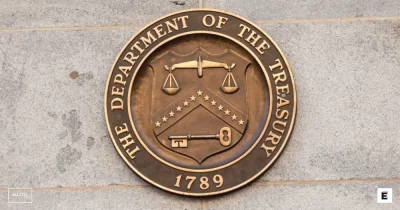
The U.S. Treasury Department has sanctioned Nobitex, an Iranian cryptocurrency exchange, for allegedly facilitating terrorism financing and sanctions evasion. This action underscores intensifying regulatory pressure on crypto platforms globally and signals stricter compliance expectations for exchanges handling transactions in sanctioned jurisdictions.
The Treasury Department's sanctions against Nobitex represent a critical inflection point in how regulators worldwide approach cryptocurrency infrastructure in geopolitically sensitive regions. Nobitex's designation suggests the exchange either knowingly or negligently enabled financial flows that circumvented U.S. sanctions on Iran, a persistent challenge in the crypto sector where pseudonymous transactions can obscure illicit activity. This enforcement action reflects the government's commitment to closing emerging financial channels that bypass traditional banking restrictions.
The broader context reveals a pattern of regulatory escalation targeting crypto platforms serving sanctioned jurisdictions. Over the past three years, authorities have increasingly recognized that decentralized finance and centralized exchanges operating in restricted regions can become critical infrastructure for sanctions evasion. Iran's sophisticated use of cryptocurrency to access global markets despite international isolation has prompted coordinated regulatory responses from the Treasury, FinCEN, and international bodies. Nobitex's prominence in Iran's crypto ecosystem made it a high-priority target for enforcement.
This action has immediate implications for the cryptocurrency industry's legitimacy and operational framework. Exchanges face heightened compliance obligations, particularly those serving users in sanctioned jurisdictions or with cross-border transaction capabilities. The pressure extends to service providers like wallet developers, DeFi protocols, and payment processors that must implement increasingly sophisticated screening mechanisms. For investors and traders, the enforcement signals that regulatory arbitrage opportunities in crypto are narrowing significantly.
Looking forward, expect intensified scrutiny of exchanges operating in gray-market jurisdictions and expansion of sanctions designations targeting crypto infrastructure. Platforms will likely implement more restrictive geographic access controls and enhanced know-your-customer protocols, potentially fragmenting the global crypto market into compliance-based regions.
- →Treasury sanctions Nobitex for enabling terrorism financing and circumventing Iran sanctions through cryptocurrency transactions.
- →Regulatory agencies are systematically targeting crypto exchanges that facilitate sanctions evasion in restricted jurisdictions.
- →Compliance obligations for exchanges are escalating, particularly regarding geographic restrictions and transaction monitoring.
- →The enforcement action signals that crypto platforms cannot operate as sanctions-free alternatives to traditional banking.
- →Investors should expect ongoing regulatory fragmentation and reduced accessibility for users in sanctioned regions.