
Trump imposes 100% tariffs on imported drugs, EU retaliation uncertain
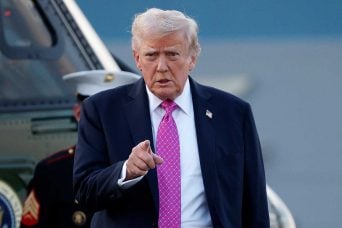
The Trump administration has implemented 100% tariffs on imported pharmaceuticals, creating significant uncertainty around potential EU retaliation. This trade action threatens to disrupt global pharmaceutical supply chains and strain US-EU relations, with broader implications for international commerce and economic stability.
The imposition of 100% tariffs on imported drugs represents a dramatic escalation in trade protectionism, signaling the administration's intent to reshape pharmaceutical supply dynamics and domestic manufacturing. This move targets a sector historically dependent on global supply chains, particularly imports from EU manufacturers and other international suppliers. The severity of a 100% tariff effectively doubles the cost of foreign pharmaceuticals, creating substantial leverage to incentivize domestic production but also raising concerns about consumer accessibility and healthcare costs.
This action reflects broader trade tensions that have characterized recent US policy, with pharmaceutical manufacturing emerging as a strategic priority alongside other critical sectors. The move targets the EU specifically, a major pharmaceutical exporter, creating diplomatic friction at a time when transatlantic relations are already strained. Brussels must now decide between retaliatory measures and negotiated compromise, with both paths carrying economic consequences.
Market implications extend beyond pharmaceuticals into broader trade policy expectations. Healthcare investors face uncertainty regarding input costs, supply chain restructuring, and potential drug price volatility. The pharmaceutical sector may experience short-term disruption as companies navigate tariff compliance and potentially expedite domestic sourcing. Currency markets and equity indices tracking international trade could face volatility as investors price in escalating trade war scenarios and EU countermeasures.
Watch for EU's official response timeline, potential retaliatory tariffs on American goods, and negotiations over exemptions or reduced rates. Congressional pressure from constituencies dependent on affordable imported medications could influence policy reversal. Industry adaptation through reshoring investment announcements would signal market acceptance of the new regulatory environment.
- →100% tariffs on imported drugs create immediate cost pressures for US pharmaceutical supply chains and consumers.
- →EU retaliation remains uncertain but could trigger broader trade escalation affecting multiple sectors.
- →Pharmaceutical manufacturers face supply chain restructuring decisions and potential domestic production investments.
- →Healthcare costs may rise if tariffs are passed to consumers rather than absorbed by industry margins.
- →This policy reflects growing emphasis on pharmaceutical manufacturing as strategic national priority.