
Trump signs directive to develop AI capabilities for national security
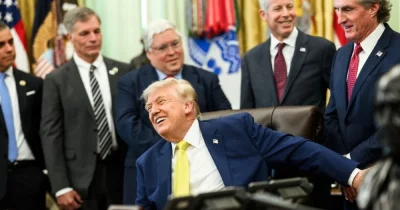
President Trump has signed a directive to accelerate AI development for national security purposes, prioritizing rapid technological integration. While this could drive innovation, the policy raises significant questions about regulatory oversight and ethical considerations in AI deployment.
Trump's directive represents a significant shift in U.S. government policy toward AI, positioning artificial intelligence as a critical national security asset requiring accelerated development timelines. This executive action reflects broader geopolitical competition with China and other nations developing advanced AI capabilities for military and strategic applications. The emphasis on speed over traditional bureaucratic processes could unlock faster innovation cycles and substantial government investment in AI infrastructure, potentially benefiting private sector contractors and technology developers working in defense and intelligence sectors.
Historically, national security imperatives have driven technological breakthroughs—from the space race to cybersecurity protocols. However, this approach often sidelines comprehensive oversight mechanisms. The tension between rapid deployment and responsible AI governance creates a critical challenge: accelerated development without adequate ethical frameworks and safety protocols could introduce systemic risks. The article explicitly flags these concerns, suggesting stakeholders fear inadequate safeguards in high-stakes applications.
For the technology and cryptocurrency sectors, this directive could increase government spending on AI infrastructure, potentially benefiting companies providing computational resources, blockchain-based verification systems, or secure data management solutions. Conversely, heightened national security scrutiny may trigger stricter regulations on AI applications in finance and digital assets, creating compliance burdens for crypto projects utilizing AI-driven tools.
Investors should monitor whether this directive leads to specific procurement initiatives or regulatory guidance affecting AI-adjacent industries. The coming months will reveal whether oversight mechanisms emerge alongside development incentives, fundamentally shaping how private companies can leverage government-backed AI advancement while maintaining ethical standards.
- →Trump's AI national security directive prioritizes rapid technological development over traditional oversight mechanisms.
- →The policy reflects intensifying geopolitical competition and could accelerate private sector AI innovation through government investment.
- →Ethical and oversight concerns present significant implementation risks in national security AI applications.
- →Crypto and fintech companies using AI may face stricter regulatory scrutiny stemming from national security protocols.
- →Future procurement guidelines and regulatory clarifications will determine real-world impact on technology sector investments.