
Trump hesitates on Kharg Island troop deployment, cooling takeover expectations
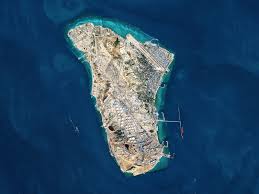
Trump's decision to avoid military deployment on Kharg Island signals a pivot toward economic pressure rather than military intervention in regional conflicts. This geopolitical restraint reduces immediate military escalation risks, potentially stabilizing markets that had priced in conflict premiums, particularly affecting oil prices and risk assets.
Trump's hesitation on deploying troops to Kharg Island represents a significant shift in military posturing that carries downstream effects for global markets. Rather than escalating military presence in a strategically critical location, the administration appears to favor economic levers—sanctions, tariffs, and diplomatic pressure—as primary tools of statecraft. This decision matters because Kharg Island, a major Iranian oil export hub, sits at the intersection of energy markets and geopolitical risk. When military intervention seemed imminent, markets had priced in potential supply disruptions and elevated volatility.
Historically, Trump's foreign policy has oscillated between unpredictable military action and transactional deal-making. The Iran nuclear agreement withdrawal and subsequent sanctions exemplified economic pressure, while military strikes in Syria demonstrated willingness to use force. This hesitation suggests a return to the economic pressure model, which characterized his first term's approach to Iran policy. The broader context shows markets increasingly sensitive to geopolitical risk premiums; oil, precious metals, and defensive assets typically spike during military escalation scenarios.
For cryptocurrency and digital asset markets, reduced military escalation risk decreases the safe-haven demand that typically props up assets during geopolitical crises. However, extended economic sanctions could create secondary effects—inflation concerns, currency volatility in affected regions, or banking system stress—that might support alternative stores of value. Investors should monitor whether economic pressure intensifies or whether diplomatic resolution emerges. The distinction between military and economic intervention strategies fundamentally reshapes risk calculations for energy-dependent economies and their trading partners.
- →Trump prioritizes economic pressure over military deployment, reducing immediate escalation risks in Middle Eastern conflicts
- →Geopolitical risk premiums embedded in oil and commodity prices may compress as military intervention scenarios fade
- →Cryptocurrency markets face reduced safe-haven demand but potential secondary effects from extended economic sanctions remain
- →The shift toward economic tools rather than military action creates different inflation and currency volatility patterns for investors
- →Broader foreign policy trend suggests transactional deal-making over kinetic military operations under Trump administration