
Trump abruptly cancels EO signing event after top AI firm CEOs declined to go
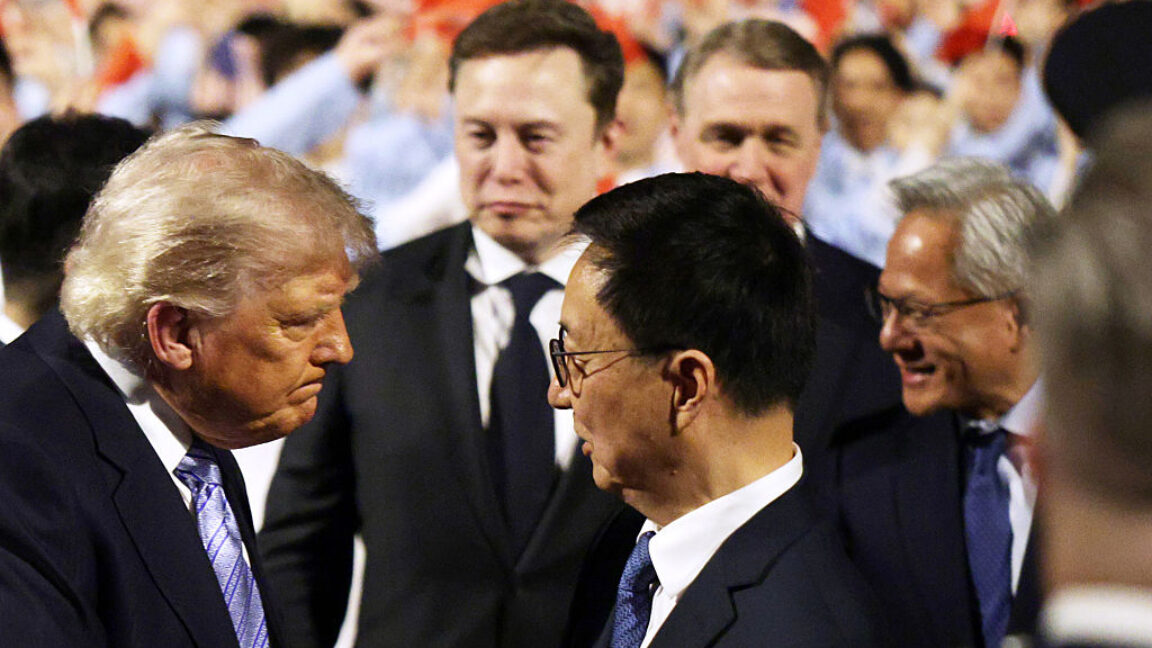
Trump canceled a scheduled executive order signing event after major AI company CEOs declined to attend, reportedly due to concerns that the proposed AI safety testing measures would hinder innovation. The move suggests growing tension between the administration's push for AI regulation and industry leaders' resistance to what they view as premature safety frameworks.
Trump's abrupt cancellation of the EO signing event reveals a significant rift between political leadership and Silicon Valley's most influential voices. When top AI firm CEOs collectively declined attendance, the administration effectively lost the photo opportunity and public endorsement needed to legitimize the regulatory push. This power dynamic underscores how concentrated influence in AI development grants industry leaders meaningful leverage over policy direction.
The disagreement centers on AI safety testing protocols. Trump's characterization of the proposed measures as innovation "blockers" reflects a deregulatory posture that prioritizes rapid AI advancement over precautionary governance frameworks. This echoes broader administration philosophy but contradicts growing international consensus around responsible AI development, including EU AI Act provisions and similar initiatives worldwide.
For the market and developer ecosystem, this signals policy uncertainty and potential delays in safety regulation implementation. Companies may interpret this as a temporary reprieve from compliance pressures, potentially accelerating product launches without comprehensive safety validation. However, the absence of federal standards could invite stricter state-level or international regulations by default, creating fragmented compliance burdens longer-term.
The episode demonstrates that even executive authority faces constraints when confronting unified industry opposition. Future AI policy will likely involve continued negotiation between innovation advocates and safety-focused regulators. Investors should monitor whether Trump pursues alternative regulatory approaches or backs away entirely, as policy clarity remains crucial for resource allocation in AI infrastructure and development.
- →Trump delayed an AI safety testing EO after major AI CEOs boycotted the signing event
- →Administration views proposed safety measures as innovation obstacles, prioritizing speed over precaution
- →Industry's unified resistance demonstrates significant leverage over federal AI policy formation
- →Policy uncertainty may benefit short-term product launches but invite fragmented international compliance requirements
- →Future AI regulation will emerge through industry-government negotiation rather than unilateral mandate