
Trump’s China visit by May 31 uncertain amid trade tensions
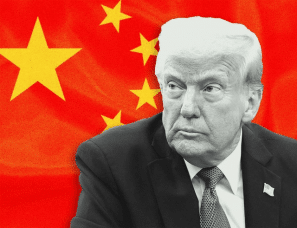
Uncertainty surrounds a potential Trump visit to China by May 31 amid escalating trade tensions and military movements between the US and China. The diplomatic uncertainty could significantly impact global markets and international relations, with potential ripple effects on cryptocurrency and traditional financial markets sensitive to geopolitical risk.
Trade tensions between the United States and China represent a critical juncture in global geopolitics with material consequences for financial markets. A postponed or cancelled presidential visit signals deteriorating diplomatic channels at a time when both nations navigate complex economic and military considerations. The uncertainty itself creates market volatility, as investors struggle to price in multiple scenarios ranging from renewed negotiations to further escalation.
Historically, US-China relations have directly influenced cryptocurrency adoption patterns and regulatory approaches. Chinese restrictions on crypto activity have preceded global market downturns, while periods of relative stability have correlated with institutional adoption. Military posturing, particularly around Taiwan, has previously triggered risk-off sentiment across risk assets including digital currencies. The current environment mirrors earlier tension periods that prompted capital flight and hedging strategies among investors.
The diplomatic uncertainty affects multiple stakeholder groups differently. Institutional investors reassess exposure to Chinese assets and consider safe-haven allocations. Cryptocurrency markets, which have increasingly attracted capital seeking diversification from geopolitical risk, face competing pressures—some view crypto as a hedge against trade-war instability while others exit risk assets entirely. Developers and fintech companies operating in both jurisdictions face regulatory unpredictability that complicates expansion strategies.
Market participants should monitor several indicators: official statements from both governments, military activity escalation, trade tariff announcements, and capital flow patterns into haven assets. The absence of diplomatic engagement often precedes policy shifts that directly impact technology sectors and alternative assets. Any formal cancellation or significant delay of the visit would likely trigger immediate reassessment of risk exposure across global markets.
- →US-China diplomatic uncertainty creates volatility across cryptocurrency and traditional markets sensitive to geopolitical risk
- →Trade tensions historically correlate with shifts in regulatory approaches toward digital currencies in both nations
- →Military movements and cancelled diplomatic visits typically precede policy announcements affecting tech and financial sectors
- →Investors view crypto as both a hedge against trade-war instability and a risky asset subject to risk-off flows
- →Monitor official government statements and capital flow patterns for early signals of escalating tensions or renewed negotiations